
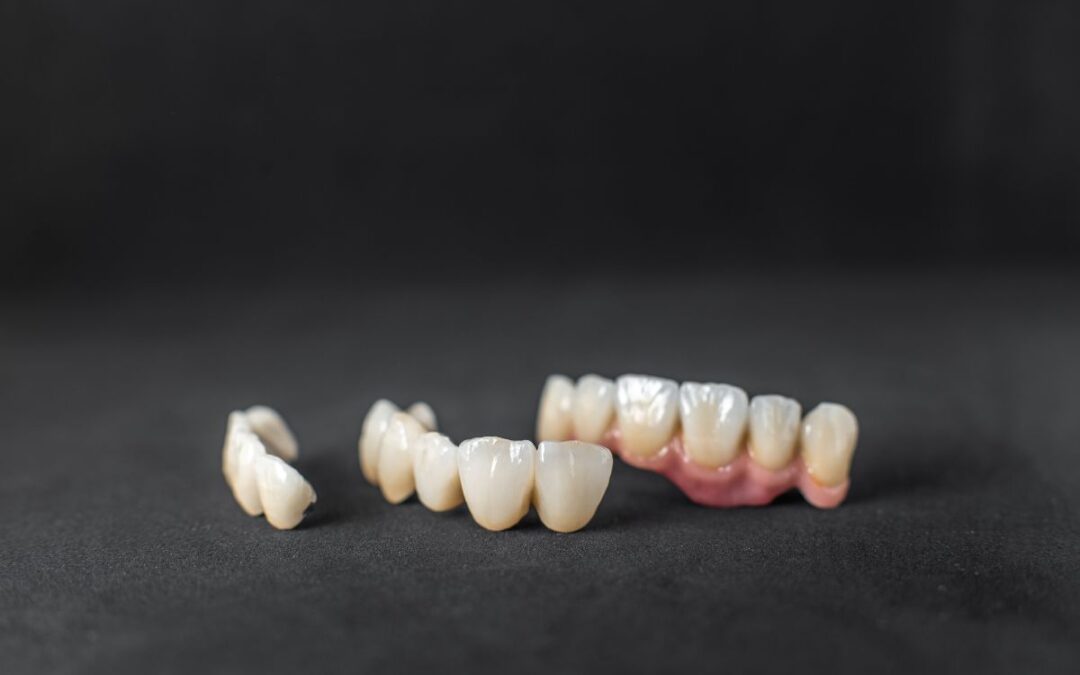
“How long do crowns last?” – Most dental crowns last 5–15 years, but with excellent care and the right material, they can last 20+ years.
If you’re considering crowns for teeth, wondering how a crown after a root canal performs over time, or researching the longevity of crowning dental treatments, this article breaks down everything patients need to know. At Dental Group of Canyon, we want patients to understand exactly what affects the lifespan of a dental crown so you can make informed, confident decisions about your smile.
What is a Dental Crown & Why Is It Used
A dental crown is a protective cap placed over a damaged, decayed, or weakened tooth. Dentists use crowns for teeth to restore strength, function, and appearance—especially after major fillings or a crown after root canal treatment.
Different types of dental crowns include porcelain, zirconia, ceramic, metal, porcelain-fused-to-metal (PFM), and resin. Choosing the right material directly influences how long a dental crown will last.
How Long Do Crowns Last?
So, how long do crowns last in real clinical conditions?
-
Most studies and dental associations report an average lifespan of 5–15 years.
-
Many long-term cases show 20 years or more, especially with strong materials and excellent oral care.
-
Clinical studies often report 80–90% survival at 5 years, gradually decreasing over 15–20 years.
-
Teeth crowns on molars may wear faster because they take heavy chewing forces.
Patients should see crowning dental care as a long-term investment—durable, but not forever.
How Crown Material Affects Longevity
Metal (Gold or Full-Cast Alloy)
Extremely durable and often the longest-lasting option, frequently reaching 20+ years.
Zirconia
A popular choice for strength and aesthetics. Many dental crowns made of zirconia last 15–25 years in ideal conditions.
Porcelain / All-Ceramic
Highly aesthetic, ideal for dental crowns on front teeth, but can be more prone to chipping. Typical lifespan: 10–20 years.
Porcelain-Fused-to-Metal (PFM)
Blend of beauty and durability. Lifespan: 5–15+ years, depending on care.
Resin / Composite
Generally used for temporary crowns; shorter lifespan due to lower durability.
What Affects How Long Your Crown Lasts
Even the best crowns can fail early if certain conditions aren’t ideal. Factors include:
-
Quality of dental work—fit, shape, margins, and bonding are crucial.
-
Oral hygiene—poor brushing or flossing leads to decay around crowns for teeth.
-
Habits—grinding, chewing ice, biting nails, or using teeth as tools accelerate wear.
-
Tooth location—molars wear down teeth crowns faster than front teeth.
-
Underlying tooth health—gum recession, bone loss, or decay under a dental crown can shorten lifespan.
Signs Your Crown Needs Attention
Watch out for:
-
Cracks or chips in crowns
-
Sensitivity or pain
-
Loose crowns
-
Bad odor/taste (possible leakage or decay)
-
Receding gums exposing the edges of dental crowns on front teeth
-
Uneven bite or wear on nearby teeth
Early diagnosis prevents bigger issues.
How to Extend the Life of Your Crown
To get decades out of dental crowns:
-
Brush twice a day & floss daily
-
Avoid hard or sticky foods
-
Wear a night guard if you grind
-
Don’t bite nails or chew ice
-
Keep regular dental checkups
-
Choose the right material based on tooth location and function
-
Maintain gum health to protect the crowning dental longevity
Good habits = longer-lasting results.
Conclusion / Takeaway
With the right material, precise placement, and excellent oral habits, crowns for teeth can last 10–20+ years. But all teeth crowns require monitoring and may need replacement eventually. If you’re considering crowns or getting a crown after a root canal, your personal habits and oral health will heavily influence longevity.
At Dental Group of Canyon, our goal is to give patients strong, natural-looking, long-lasting dental crowns supported by expert care. Ready to restore your smile? Contact Dental Group of Canyon today to schedule your consultation.
FAQs
Q. How often do crowns need to be replaced?
A: Dental crowns usually last 10–15 years, depending on the material, care, and habits. Grinding, hard foods, or damage can shorten their lifespan. If you notice pain, looseness, cracks, or chips, see your dentist to check whether the crown needs repair or replacement.
Q. Can crowned teeth last a lifetime?
A: No, dental crowns don’t last forever. They typically last 10–15 years, though some can last decades with great care. Material, hygiene, and habits all affect longevity. Over time, natural wear, gum changes, or aging cement may require crown replacement.
Q. How many times can a tooth be crowned?
A: Yes, a dental crown can be replaced multiple times, but it depends on the health of the tooth underneath. Each replacement removes a bit of tooth structure, which can weaken it over time. There’s no fixed limit—successful replacements rely on keeping the underlying tooth strong and healthy.
Q. How long do teeth last under a crown?
A: Dental crowns usually last 5–15 years, depending on the material and how well they’re cared for. Gold and metal crowns often last 15+ years, while PFM crowns typically last 10–15 years.