
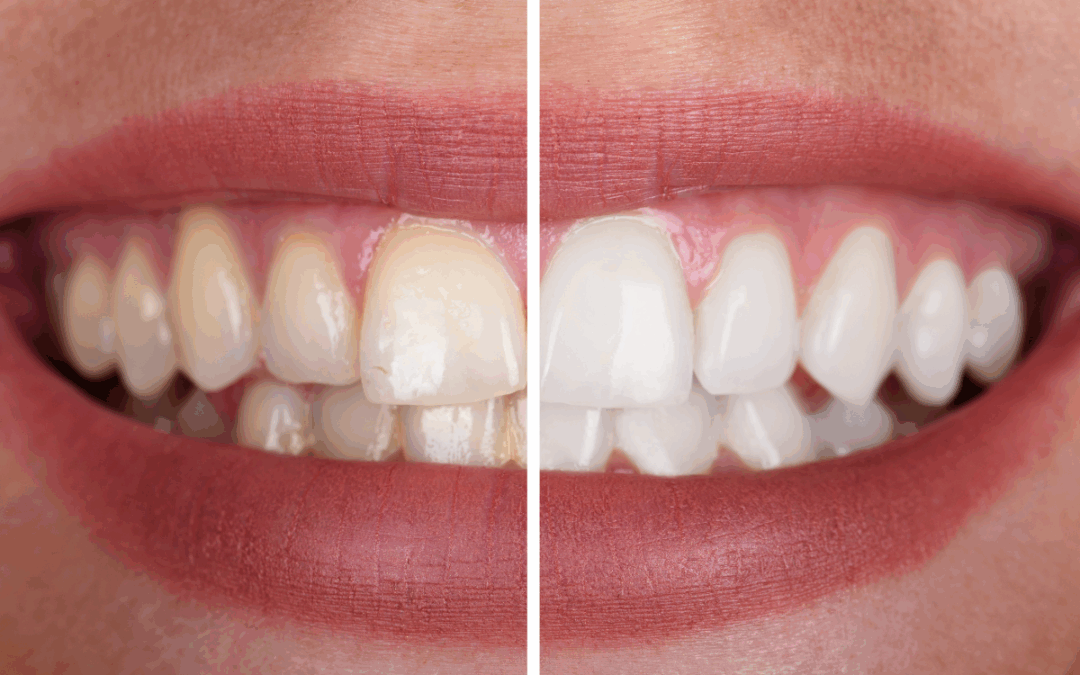
A brighter smile is one of the most requested cosmetic improvements in dentistry. Many patients explore teeth whitening to enhance their appearance, boost confidence, and feel more comfortable in social and professional settings.
However, a common concern arises for those who already have dental work.
Will whitening damage crowns or fillings?
Will everything match after treatment?
Is it safe to proceed?
These are important questions. Patients searching for a dentist near me often want reassurance before starting any teeth whitening treatment, especially if they have restorations.
Understanding how whitening interacts with existing dental work can help you avoid unexpected results and make informed decisions.
How Teeth Whitening Works
Before addressing restorations, it is helpful to understand how whitening works.
Professional teeth whitening uses peroxide-based agents that penetrate the enamel and break down stains within the tooth structure.
This process:
- Targets natural tooth enamel
- Lightens internal discoloration
- Improves overall brightness
A dental whitening treatment is designed specifically for natural teeth. This distinction is important when considering crowns, fillings, or other restorations.
A qualified dentist evaluates your current dental condition before recommending whitening.
Does Whitening Affect Crowns and Fillings?
One of the most common misconceptions is that whitening changes the color of all materials in the mouth.
The reality is:
- Whitening affects natural teeth only
- Crowns, fillings, and veneers do not change color
- Restorations remain the same shade after treatment
This means that while your natural teeth may become lighter, existing dental work will not respond to the whitening process.
Patients who begin whitening teeth without this understanding may notice a mismatch afterward.
Why Restorations Do Not Respond to Whitening
Dental restorations are made from materials such as porcelain, composite resin, or ceramic.
These materials:
- Are non-porous compared to natural enamel
- Do not absorb whitening agents
- Maintain their original color
This is why professional teeth whitening cannot alter the appearance of crowns or fillings.
A consultation with a dentist near me helps determine how whitening will affect your overall smile.
Will Whitening Damage Dental Work?
A well-supervised teeth whitening treatment does not damage crowns, fillings, or other restorations.
Professional whitening is:
- Carefully controlled
- Applied at appropriate concentrations
- Monitored for safety
However, it is important to note:
- Whitening may highlight differences between natural teeth and restorations
- Older restorations may appear darker compared to newly whitened teeth
This is not damage. It is a contrast issue.
A skilled dentist ensures that whitening is performed safely while planning for aesthetic balance.
What Happens If You Already Have Crowns or Fillings?
If you have visible restorations, especially on front teeth, whitening requires careful planning.
After whitening:
- Natural teeth may become significantly lighter
- Existing crowns or fillings may appear darker in comparison
This can affect the overall appearance of your smile.
Patients searching for professional teeth whitening often benefit from a personalized approach that considers these factors.
Should Whitening Be Done Before or After Dental Work?
Timing is critical when combining whitening with restorative treatments.
Whitening Before Restorations
This is often the preferred approach.
- Natural teeth are whitened first
- New restorations are matched to the brighter shade
Whitening After Restorations
This may lead to:
- Color mismatch
- Need for replacement of visible restorations
A qualified dentist near me will recommend the best sequence based on your current dental condition.
What If You Already Have Mismatched Restorations?
If you notice that your restorations no longer match your natural teeth after whitening, there are solutions.
These include:
- Replacing crowns or fillings to match the new shade
- Adjusting treatment plans for better aesthetic balance
A comprehensive dental whitening treatment plan ensures that your smile looks uniform and natural.
Is Professional Whitening Safer Than Over-the-Counter Options?
Many patients consider at-home products for convenience. However, these options may not account for existing dental work.
Professional teeth whitening offers several advantages:
- Customized treatment plans
- Controlled application
- Reduced risk of uneven results
- Guidance from a trained dentist
Over-the-counter products may lead to inconsistent results, especially when restorations are present.
Common Concerns About Whitening and Dental Work
“Will whitening weaken my crowns or fillings?”
No. Whitening does not damage restorations when performed properly.
“Will everything match after whitening?”
Not always. Restorations do not change color, which may create contrast.
“Do I need to replace my dental work?”
Only if the color difference affects your smile significantly.
“Is whitening safe for sensitive teeth?”
Professional treatment is designed to minimize sensitivity and ensure comfort.
A consultation with a dentist near me helps address these concerns before treatment begins.
How a Dentist Creates a Personalized Whitening Plan
Every patient’s smile is unique, especially when restorations are involved.
A dentist will:
- Evaluate the condition of your teeth and restorations
- Identify visible areas that may be affected
- Recommend the best sequence for whitening and restoration
- Ensure a natural and balanced final result
This approach ensures that whitening teeth enhances your smile without creating uneven results.
Long-Term Maintenance After Whitening
Maintaining your results is just as important as achieving them.
To keep your smile bright:
- Practice good oral hygiene
- Limit staining foods and beverages
- Schedule regular dental cleanings
- Follow your dentist’s recommendations
Patients who invest in professional teeth whitening often see longer-lasting results with proper care.
When Whitening May Not Be the Best Option
In some cases, whitening alone may not achieve the desired result.
This may occur if:
- Discoloration is due to restorations
- Teeth have significant internal staining
- Multiple restorations are visible
In these situations, alternative treatments may be recommended.
A trusted dentist near me can guide you toward the most effective solution.
The Importance of Professional Guidance
Whitening may seem straightforward, but achieving a balanced and natural result requires careful planning.
Working with a qualified dentist ensures that:
- Your existing dental work is considered
- Treatment is safe and effective
- Results meet your expectations
Patients who choose dental whitening treatment under professional supervision often experience better outcomes and fewer complications.