
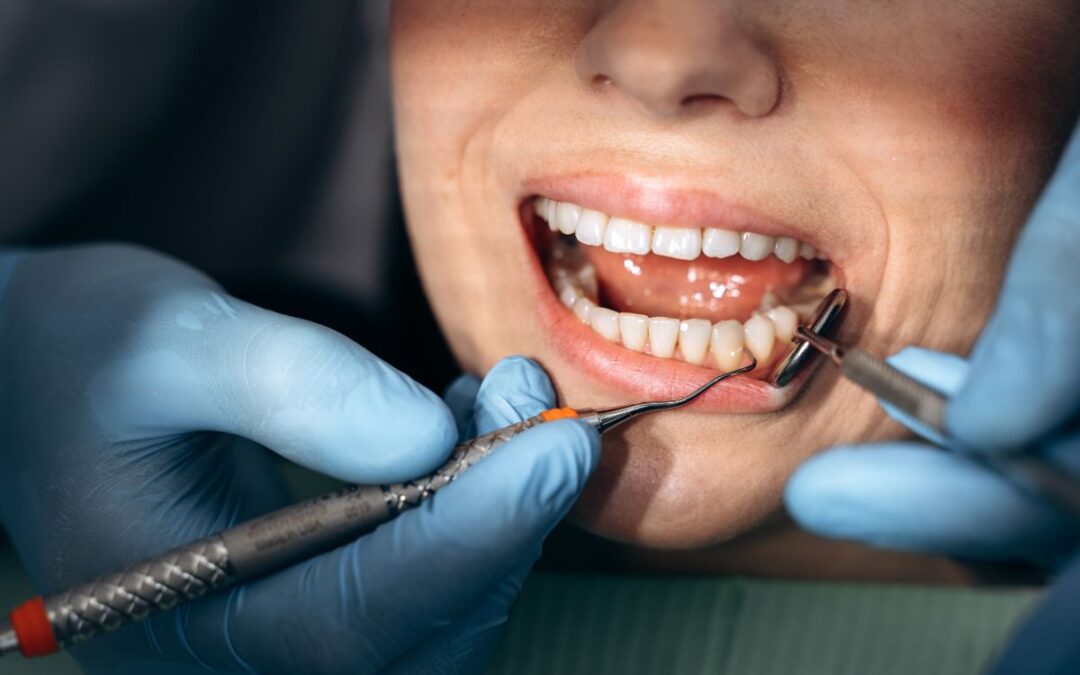
“I Brush Every Day—Isn’t That Enough?”
If you’re brushing twice a day, maybe even flossing regularly, you’re already doing more than many people—and that’s something to feel good about.
So it’s completely natural to wonder:
“Why do I still need to visit a dentist every six months?”
This is one of the most common questions patients ask. And honestly, it’s a fair one.
As a dentist, I often reassure patients that their home care routine is essential—but it’s only part of the bigger picture. Even the most diligent brushing can’t reach every area in your mouth. Over time, plaque builds up in places that are simply out of reach for a toothbrush or floss.
Those “hard-to-reach” areas are exactly where problems begin.
If you’ve ever searched for a dentist near me, wondering whether regular visits are truly necessary, this guide will give you a clear, honest answer—without exaggeration or scare tactics.
The Myth: “Brushing Twice a Day Is Enough”
Why This Belief Is So Common
We’ve all been taught since childhood that brushing twice a day keeps our teeth healthy. And it does—to a certain extent.
This message is simple, memorable, and helpful. But it can also create a false sense of completeness.
What Brushing Actually Does Well
Brushing is incredibly important because it:
- Removes plaque from accessible tooth surfaces
- Helps prevent cavities
- Freshens breath
- Reduces bacteria in the mouth
In short, brushing is your first line of defense.
Where Brushing Falls Short
Even with perfect technique, brushing cannot:
- Reach deep between tightly spaced teeth
- Clean below the gumline
- Remove hardened tartar
That’s where professional care from dentists becomes essential.
What Happens in Your Mouth Between Dental Visits
Plaque Buildup Is Constant
Your mouth naturally contains bacteria. Every time you eat, these bacteria feed on sugars and produce acids, forming a sticky film called plaque.
Plaque begins forming within hours after brushing.
Tartar Formation (Calculus)
If plaque isn’t completely removed, it hardens into tartar (also called calculus).
Here’s the key point:
Once tartar forms, it cannot be removed with a toothbrush.
Only a dentist or dental hygienist can safely remove it using specialized tools.
Early Gum Inflammation
When plaque and tartar accumulate, your gums may become inflamed—a condition known as gingivitis.
The tricky part?
It often develops without pain, which is why many people don’t realize there’s a problem.
The “Hard-to-Reach” Areas You Can’t Clean at Home
This is the core reason why six-month visits matter.
Between Teeth (Interdental Spaces)
Even if you floss daily, it’s difficult to remove all plaque from tight or crowded spaces.
Along the Gumline
The gumline is one of the most common places for plaque buildup. It requires precise technique to clean effectively—and even then, some areas are missed.
Behind Back Molars
Your back teeth are the hardest to reach due to their position. Limited visibility and angle make thorough cleaning challenging.
Below the Gumline
This is the most critical area.
Once bacteria move below the gumline:
- They are completely inaccessible to brushing
- They can cause gum disease
- They require professional tools to remove
This is why visiting a dentist in my area isn’t just routine—it’s necessary for areas you simply can’t manage on your own.
What Happens During a Professional Cleaning
Removal of Tartar (Scaling)
Dentists use specialized instruments to remove hardened tartar from both above and below the gumline.
This process:
- Prevents gum disease
- Reduces bacterial buildup
- Restores a clean surface
Deep Cleaning of Gumline Areas
Even in routine cleanings, attention is given to areas just below the gumline—where early issues often begin.
Polishing and Smoothing Teeth
After scaling, your teeth are polished to:
- Remove surface stains
- Smooth enamel
- Make it harder for plaque to stick
Early Detection of Problems
This is one of the most valuable aspects of your visit.
A dentist checks for:
- Cavities
- Gum disease
- Signs of wear or damage
- Oral health changes
Catching issues early means simpler, less costly treatment.
Why Every 6 Months? The Science Behind the Timeline
Plaque-to-Tartar Timeline
Plaque can harden into tartar in as little as 24–72 hours. Over months, this buildup increases.
Gum Disease Progression
Gingivitis can develop and progress quietly within a few months. Without intervention, it may advance to more serious gum disease.
The Preventive Window
A six-month interval allows dentists to:
- Remove buildup before it becomes severe
- Catch early signs of disease
- Keep your oral health on track
This is why a dentist near me will often recommend biannual visits—it’s based on prevention, not convenience.
Addressing a Common Concern: “Is This Really Necessary?”
It’s normal to question routine visits, especially if:
- You have no pain
- Your teeth look fine
- You maintain good hygiene
But here’s the reality:
Most dental problems start silently.
By the time you feel pain:
- The issue is already advanced
- Treatment becomes more complex
Regular visits are not about fixing problems—they’re about preventing them entirely.
What Happens If You Skip Regular Dental Visits
Skipping appointments can lead to:
- Tartar buildup that worsens over time
- Gum disease progression
- Undetected cavities
- More invasive and costly treatments later
Think of dental visits like routine maintenance—not emergency repair.
Benefits of Regular Dental Visits
Visiting your dentist in my area every six months offers:
- Professional cleaning you can’t replicate at home
- Early detection of issues
- Personalized oral care advice
- Long-term cost savings
It’s one of the simplest ways to protect your smile.
Are 6-Month Visits Right for Everyone?
Who May Need More Frequent Visits
Some patients benefit from more frequent cleanings, including:
- Those with gum disease
- Smokers
- Patients with diabetes
- Individuals with a history of dental issues
Personalized Care Matters
Dentists don’t follow a one-size-fits-all approach. Your schedule is based on your specific needs and risk factors.
How to Maximize Your At-Home Oral Care
Brush Effectively
- Brush for at least 2 minutes
- Use proper technique
- Replace your toothbrush regularly
Floss Daily
Flossing removes plaque between teeth—an area brushing can’t reach.
Use Mouthwash When Recommended
Antibacterial mouthwash can provide additional protection.
When Should You Search for a “Dentist Near Me”?
Don’t wait for your next scheduled visit if you notice:
- Bleeding gums
- Persistent bad breath
- Tooth sensitivity
- Pain or discomfort
These are early warning signs that need attention.