
Bleeding gums can be alarming, especially when they happen during brushing or flossing. If bleeding gums persist for more than a few days, scheduling an evaluation with a trusted dentist is the safest next step. Early gum disease treatment prevents minor irritation from progressing to serious gum disease and long-term tooth damage.
Immediate Measures To Take
If your gums are bleeding at this moment, stay calm and follow these steps:
-
Gently rinse your mouth with lukewarm water to clear debris.
-
Apply clean gauze with light pressure to the area for 10–20 minutes.
-
Avoid excessive spitting, as it can prolong bleeding.
-
Place a cold compress on the outside of your cheek if swelling is present.
-
If you take blood thinners, do not stop them unless instructed by your physician.
-
Contact a dentist near me, search result, or your regular dental office for guidance if bleeding continues.
Most minor bleeding stops quickly. Persistent bleeding requires professional evaluation.
Why Gums Bleed: Common Causes Explained
Many Amarillo residents ask, “What causes bleeding gums?” The answer often depends on daily habits and overall health.
The most common bleeding gum causes include:
1. Gingivitis (Plaque Inflammation)
When plaque builds up along the gumline, bacteria irritate the tissue. This early stage of bleeding gum disease is reversible with proper dental care.
2. Aggressive Brushing or Flossing
Using a hard-bristled toothbrush or snapping floss into the gums can cause trauma and temporary bleeding.
3. Medications (Blood Thinners)
Medications such as aspirin or anticoagulants can increase the risk of bleeding.
4. Hormonal Changes
Pregnancy and hormonal shifts may cause gums to become more sensitive and prone to bleeding.
5. Vitamin Deficiencies
Low vitamin C or K levels can contribute to fragile gum tissue.
6. Periodontal Disease
Advanced gum disease affects deeper structures and may lead to loose teeth.
7. Oral Trauma
Sports injuries or biting into hard foods can damage gum tissue.
Identifying the true cause requires evaluation by experienced dentists who understand both oral and systemic health factors.
Is This an Emergency? When to Seek Immediate Care vs. Schedule a Dental Visit
Not all bleeding gum situations are emergencies. However, certain symptoms require urgent attention.
Seek immediate care (urgent dental clinic or ER) if:
-
Bleeding continues for more than 20 minutes despite pressure
-
Severe swelling or facial swelling develops
-
Fever accompanies gum pain
-
Trauma results in loose or displaced teeth
-
Heavy bleeding occurs after an injury
If bleeding is mild but recurring, schedule a same-week visit with a dentist. Most cases of bleeding gums are not emergencies, but should not be ignored. Early treatment prevents progression into more serious periodontal conditions.
What a Dentist Will Check: Exam & Diagnostics
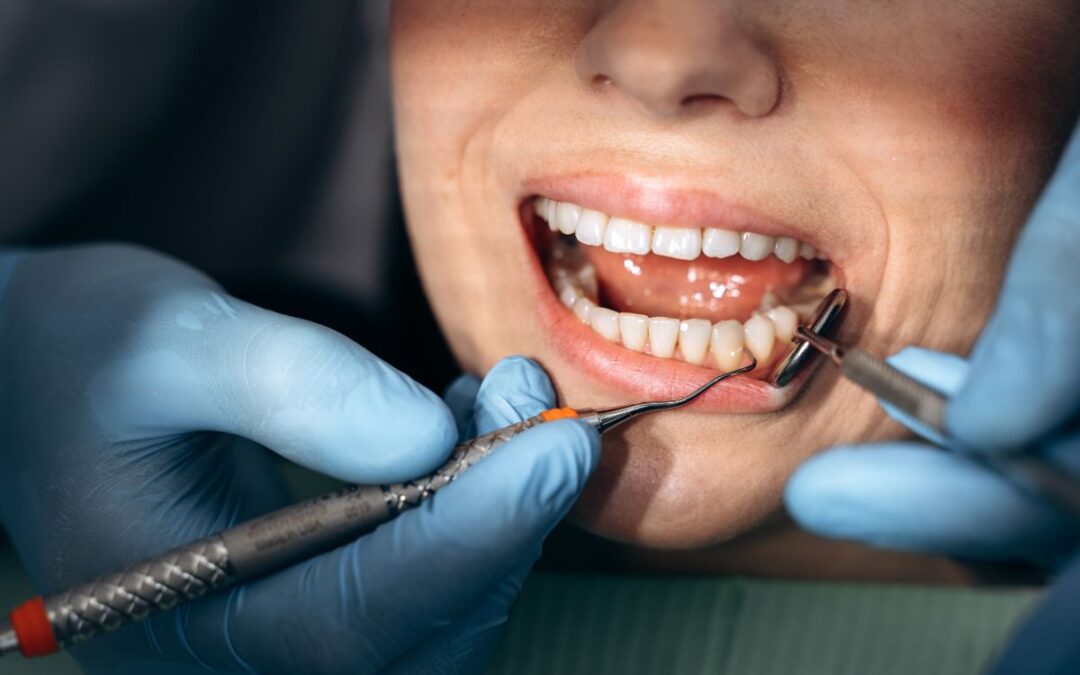
During an evaluation, a dentist focuses on identifying the source of inflammation and determining whether infection is present.
The assessment typically includes:
-
Periodontal probing: Measuring pocket depths around each tooth to detect gum disease progression
-
Oral hygiene review: Evaluating brushing and flossing technique
-
Dental X-rays: Checking bone levels and underlying infection
-
Medical history review: Assessing medications or systemic conditions contributing to gum bleeding
Early diagnosis allows for conservative treatment in most patients.
Treatment Options — From Home Care to Specialist Procedures
The right bleeding gum treatment depends on the severity of inflammation.
Improved Home Care:
For early gingivitis, professional cleaning combined with proper brushing and flossing often resolves bleeding within 7–14 days.
Scaling and Root Planing (Deep Cleaning):
This non-surgical procedure removes plaque and tartar beneath the gumline. Mild to moderate cases typically show improvement within a few weeks.
Antibiotic Therapy:
Localized antibiotics may reduce bacterial infection in deeper pockets.
Laser Therapy:
Some practices offer laser-assisted periodontal therapy to minimize discomfort.
Periodontal Surgery:
Advanced cases may require surgical intervention to restore gum health and stabilize teeth.
Non-surgical and surgical options are available through general practices, depending on the level of disease.
Prompt treatment prevents tooth loss and restores gum health predictably.
Preventing Bleeding Gums — Daily Care & Lifestyle Tips
Preventing bleeding gum causes starts at home and continues with regular dental visits.
-
Use a soft-bristled toothbrush and gentle circular brushing motions.
-
Floss daily using controlled, careful movements.
-
Avoid tobacco products, which worsen bleeding gum disease.
-
Maintain a balanced diet rich in vitamins C and K.
-
Manage diabetes and other systemic health conditions.
-
Schedule professional cleanings every six months or as recommended by your dentist.
-
Replace toothbrushes every three months.
Local dental offices often provide oral hygiene demonstrations and personalized care plans to reduce inflammation. Consistency is the key to long-term gum stability.
Schedule an Evaluation Today
Persistent bleeding gums should never be ignored. Early diagnosis prevents complications and protects long-term oral health. Trusted providers like Dental Group of Amarillo on Commerce Street offer comprehensive exams, preventive care, and advanced periodontal solutions under one roof.
If you’re experiencing gum bleeding or searching for a reliable dentist near me, call today to schedule a professional evaluation. Prompt treatment is the most effective solution for bleeding gums and the best way to preserve your smile for years to come.
If bleeding persists, call us at 806-358-7633 for an evaluation.
FAQs
Q. My gums bleed when I floss — should I stop?
A: No. Bleeding often signals inflammation. Continue gentle flossing and schedule a dental evaluation if bleeding persists beyond a week.
Q. How quickly will my gums heal after a deep cleaning?
A: Most patients notice reduced bleeding within 1–2 weeks. Full tissue healing may take several weeks, depending on severity.
Q. Can medications cause bleeding gums?
A: Yes. Blood thinners and certain medications can increase gum bleeding. A dentist reviews medical history to determine contributing factors.
Q. When is a periodontist needed?
A: Referral is recommended if deep pockets, bone loss, or advanced gum infection is detected during examination.