
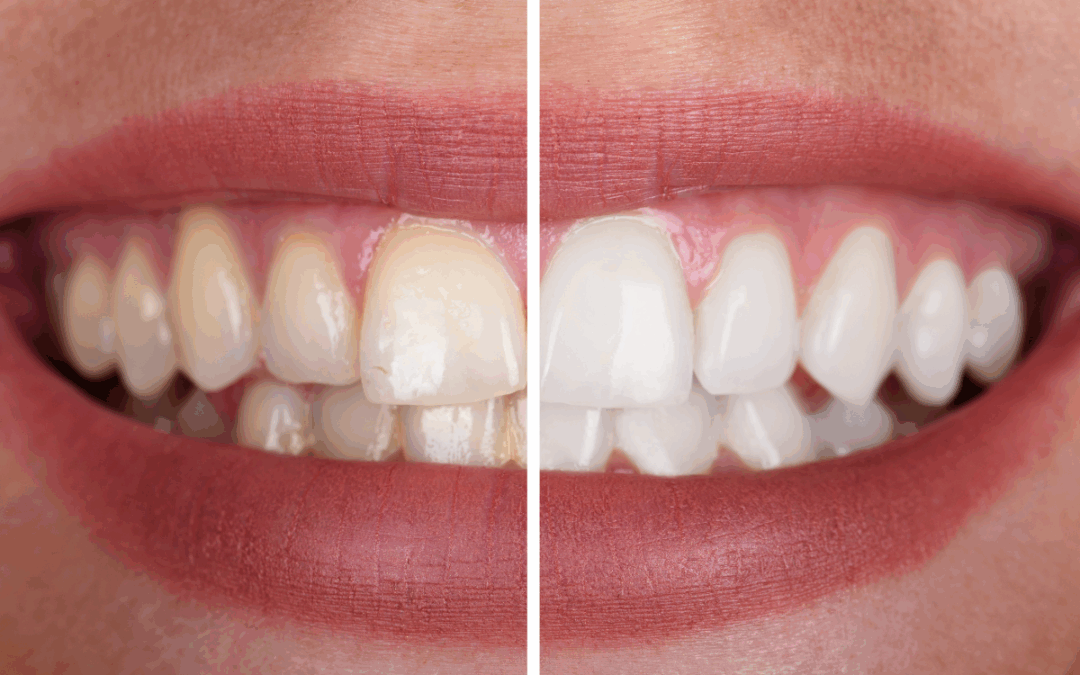
“Are Teeth Whitening Strips Safe?” – Yes — teeth whitening strips can be safe when used correctly, but they also come with risks you should understand before starting any teeth whitening treatment.
In this article, you’ll learn exactly how whitening strips work, when they are safe, when they are not, and how to use them responsibly.
You will also discover alternatives, expert-backed safety tips, and who should avoid whitening entirely. Dental Group of Amarillo is mentioned here to guide Amarillo residents toward informed and safe whitening choices.
How Teeth Whitening Strips Work
Most whitening strips and white strips contain peroxide-based bleaching agents such as hydrogen peroxide or carbamide peroxide. These chemicals penetrate the enamel and break down chromogens—the molecules that cause staining.
Peroxide-based teeth whitening strips and whitening tooth strips can effectively lighten surface (extrinsic) stains from coffee, tea, wine, and smoking. However, they cannot fix internal discoloration or whitening-resistant stains caused by trauma, medication, or genetics.
Keep in mind: whitening dental strips and teeth bleaching strips only work on natural enamel—not crowns, veneers, or fillings.
How Effective are Teeth Whitening Strips?
You can expect modest brightening—usually a few shades lighter—using whitening strips consistently for several days or weeks. Results with whitening teeth products are gradual, not dramatic. Lifestyle habits like smoking or heavy coffee drinking may cause results to fade faster.
Also, white strips and teeth whitening strips cannot lighten dental restorations, which means color mismatch may occur if you have crowns or veneers on visible teeth.
Consistency helps maintain results, but good hygiene and periodic evaluation are essential.
Risks and Side Effects — When Whitening Strips Might Be Harmful
Even good teeth whitening strips carry risks:
1. Tooth Sensitivity
Peroxide can irritate the dentin layer, leading to temporary but uncomfortable sensitivity. Both whitening strips and whitening teeth strips may worsen preexisting sensitivity.
2. Gum Irritation
Improper placement can cause chemical burns or tenderness when the gel touches the gums. Poorly fitted whitening dental strips or teeth bleaching strips increase this risk.
3. Enamel Damage (Especially with Overuse)
Using these products too frequently or leaving them on too long can wear down enamel.
4. Uneven Whitening
Because strips cover only flat surfaces, the edges or curved areas of teeth may remain darker.
5. Not Effective for Restorations
Bleaching agents do not work on crowns, fillings, or veneers. Overuse won’t change their color, but it may damage the natural enamel around them.
Who Should Use (or Avoid) Whitening Strips
Ideal Candidates
People with:
-
Healthy natural teeth
-
Surface-level stains
-
No gum disease or major enamel wear
-
No restorations on front teeth
These individuals typically respond well to whitening teeth products and whitening treatments.
Avoid or Consult a Dentist First If You Have:
-
Cavities
-
Gum disease
-
Thin or worn enamel
-
Sensitive teeth
-
Braces
-
Visible dental restorations
-
Pregnancy or breastfeeding
-
Younger teens
Best Practices: How to Use Whitening Strips Safely
To avoid complications:
Follow directions exactly
Do not exceed the manufacturer’s recommended time or frequency.
Keep strips off your gums
Trim if needed for a better fit.
Avoid overuse
Too much exposure to whitening strips may weaken enamel.
Maintain good oral hygiene
Use sensitive toothpaste if discomfort occurs.
Seek guidance if you have restorations
Strips may lead to uneven color.
Using a dentist-guided teeth whitening kit or whitening teeth kit is often safer because it uses controlled peroxide levels. Similarly, a professional dental whitening kit can be customized to address tooth sensitivity and enamel thickness.
Alternatives: When Professional Whitening Is a Better Option
Dentist-Supervised Take-Home Whitening
These kits are safer and more controlled than over-the-counter versions. Amarillo practices often recommend professional teeth whitening treatment or a whitening teeth treatment for predictable results.
In-Office Whitening
Ideal for deep stains or sensitive teeth. This method is monitored for safety and uses higher-strength gels for faster results.
Lifestyle Adjustments
Limit staining foods and drinks, stop smoking, and maintain dental cleanings to preserve results from any dental whitening treatment or teeth whitening treatment.
Key Takeaway
Whitening strips can be safe and effective—but only when used correctly. They offer an affordable way to brighten your smile, but they are not risk-free, especially if you have sensitivity, gum issues, or dental restorations. Before using whitening strips, white strips, or any at-home teeth bleaching strips, consider your oral health status and whether professional supervision is needed.
If you’re unsure whether strips are right for you—or want safer, longer-lasting alternatives—Dental Group of Amarillo can help you choose the best option for your smile. Schedule a consultation today to get expert guidance and a personalized whitening plan.
FAQs
Q. Do dentists recommend teeth whitening strips?
A: Yes. Dentists may recommend whitening strips—especially ADA-approved ones—but they advise consulting a dentist first to ensure they’re safe and suitable for your teeth.
Q. What are the risks of teeth whitening strips?
A: Teeth whitening strips can cause tooth sensitivity, gum irritation, uneven whitening, and, with overuse, potential enamel damage. They’re not effective on dental restorations.
Q. What is the safest teeth whitening?
A: The safest whitening option is dentist-supervised treatment with controlled ingredients. For at-home use, dentist-made trays are safer than OTC products, which carry higher risks of irritation or sensitivity.