
“Are veneers permanent?” Veneers are long-lasting but not truly permanent.
In this guide, you’ll learn exactly how long a permanent veneer typically lasts, what affects its lifespan, whether dental veneers’ permanent results are realistic, and how to care for your veneer teeth for the best outcome. At Dental Group of Amarillo, we help patients understand every step of getting teeth veneers, from durability to maintenance, so you can make an informed, confident decision.
What Exactly Is a Veneer in Dentistry?
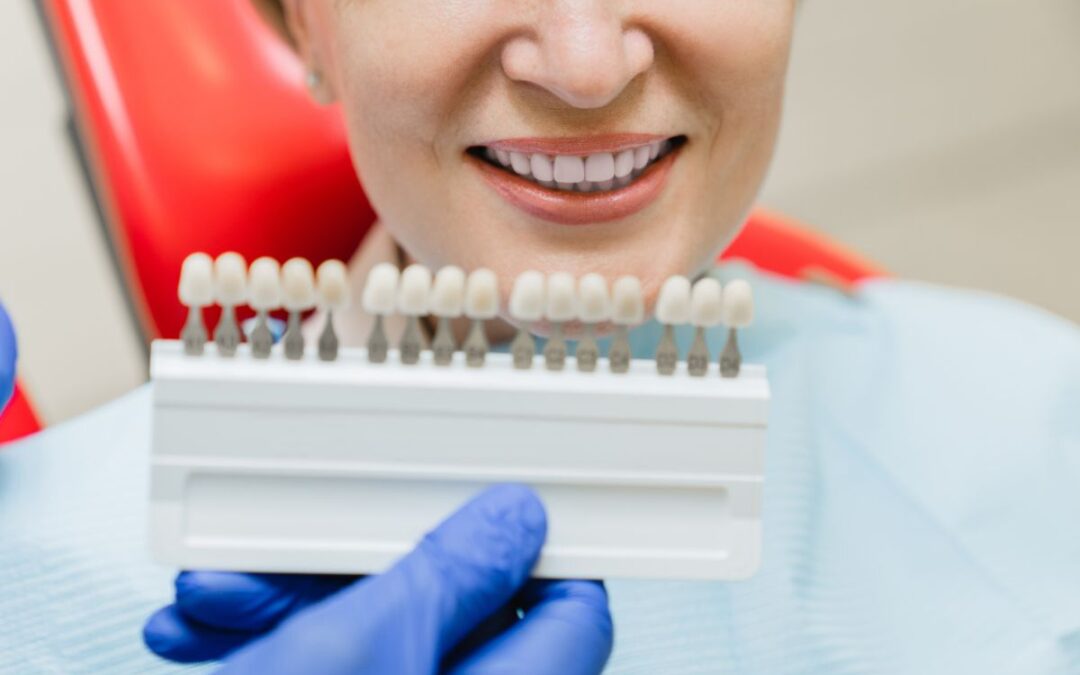
A veneer in dentistry is a thin, custom-made shell designed to enhance the front surface of your tooth. Most veneers are made from either porcelain or composite resin, and both materials can dramatically improve the appearance of dental veneers teeth aiming for a brighter, more uniform smile.
These shells bond directly to your natural teeth, creating a seamless and natural-looking veneer tooth. The process involves shaping and veneering teeth to ensure that the final result blends perfectly with your existing smile.
Are Veneers Permanent? — Understanding “Permanent” vs. “Long-Lasting”
Many patients ask: Are veneers permanent? While veneers’ permanent outcomes are marketed as “fixed,” they are not lifetime restorations.
Why they’re considered long-term:
-
They are bonded securely to enamel.
-
In most cases, placing permanent veneers on teeth requires removing a small layer of enamel, making the choice irreversible.
However:
-
Both porcelain and composite teeth veneers can chip, wear down, or require replacement over time.
-
Even the best permanent veneer will eventually need maintenance.
So while dental veneers are permanent solutions that don’t last forever, they are among the most durable cosmetic dentistry options available.
Typical Lifespan — What Research & Dentists Say
Here’s what you can expect with proper care:
-
Porcelain veneers: Typically last 10–15 years or longer.
-
Composite veneers: Generally last 5–7 years.
Some patients enjoy their veneer teeth for even longer, depending on habits, oral care, and the skill of the provider.
What Affects How Long Veneers Last?
The lifespan of your veneer in dentistry treatment depends on several factors:
1. Material Type
Porcelain veneers are more durable and stain-resistant than composite veneers, giving them a longer lifespan.
2. Oral Hygiene & Maintenance
Good brushing, flossing, and regular dental visits keep your dental veneers and teeth in their best condition.
3. Lifestyle Habits
Grinding, biting hard foods, or using teeth as tools can damage teeth and veneers, shortening their lifespan.
4. Quality of Dental Work
A precisely crafted veneer tooth and expert bonding technique significantly impact how long your veneers’ permanent results last.
Pros and Cons of Veneers
| Pros of Veneers | Cons of Veneers |
|---|---|
| Enhanced aesthetics and natural appearance | Permanent veneers’ teeth placement may require enamel removal |
| Quick cosmetic transformation | Not lifetime-permanent |
| Stain resistance (especially porcelain) | Possible tooth sensitivity |
| More conservative than crowns | Risk of chips, cracks, or wear over time |
| — | Future replacement cost |
| — | Not ideal for heavy grinders or patients with certain dental conditions |
Veneers vs. Other Cosmetic Options (When Permanence Matters)
When deciding whether dental veneers are right for you, compare them with alternatives:
-
Crowns for severely damaged teeth
-
Bonding for minor repairs
-
Whitening for discoloration
-
Orthodontics for alignment issues
A qualified dentist will help determine whether veneering teeth or another option best fits your goals.
How to Maximize the Lifespan of Your Veneers
To protect your investment in veneer teeth, follow these care tips:
-
Brush with non-abrasive toothpaste
-
Floss daily
-
Avoid biting hard foods
-
Limit staining foods and drinks
-
Wear a nightguard if you grind
-
Attend regular dental checkups
These steps will help your permanent veneers last as long as possible.
When Veneers Might Not Be “Permanent Enough”
If you’re expecting veneers to have permanent results without maintenance, you may be disappointed. Patients with:
-
weakened enamel
-
gum issues
-
Severe wear may benefit more from crowns or other restorative treatments than from tooth veneers.
Conclusion — Veneers Are Long-Lasting, Not Forever
So, are veneers permanent? Veneers are durable, aesthetic, and transformative, but even the best permanent veneer will eventually require replacement. With porcelain lasting about 10–15 years and composite about 5–7 years, realistic expectations and proper care are essential.
If you’re considering veneer in dentistry, want to know whether dental veneers’ permanent treatment is right for you, or want expert guidance tailored to your smile, Dental Group of Amarillo is here to help.
Ready to explore veneers or other cosmetic options? Book a consultation with Dental Group of Amarillo today and take the first step toward a confident, long-lasting smile!
FAQs
Q. What are the downsides of veneers?
A: Veneers can be expensive and irreversible, may cause temporary sensitivity, and can chip or loosen over time. They can also discolor, and poor oral hygiene may lead to decay beneath them.
Q. Can you go back to regular teeth after veneers?
A: No. Veneers are irreversible because a thin layer of enamel is permanently removed. Since enamel doesn’t grow back, your teeth will always need a restoration such as veneers or crowns.
Q. What do veneers look like after 10 years?
A: Well-cared-for porcelain veneers usually still look natural after 10 years, though they may show slight wear, mild discoloration, or small chips. Composite veneers stain and wear faster and often need replacement sooner.
Q. Are teeth rotting under veneers?
A: Yes, decay can develop under veneers if oral hygiene is poor. Veneers cover only the front surface, so exposed areas can accumulate plaque and bacteria. Good brushing, flossing, and dental checkups help prevent this.