
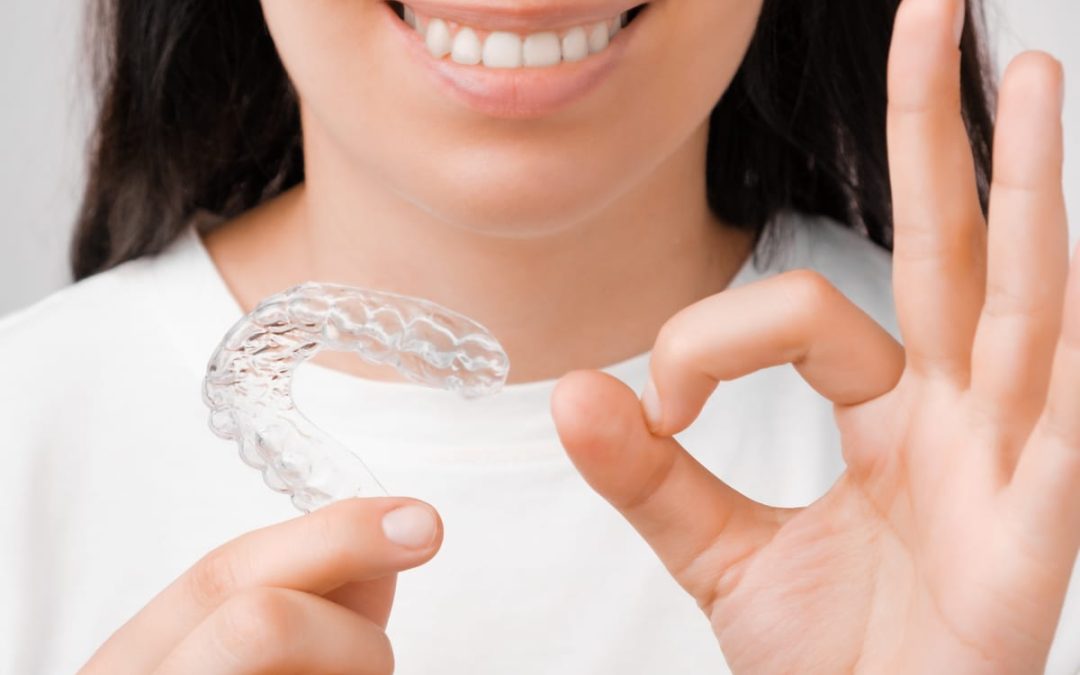
Finishing your last Invisalign tray feels like a huge milestone. You’ve done the work, stayed consistent, and your smile looks amazing. But here’s what many patients don’t realize: your Invisalign journey isn’t over yet. Retainers are the final — and arguably most important — step in your orthodontic treatment. At Dental Group of Amarillo-Commerce Street, Dr. Scott Dowlearn helps Amarillo patients protect their results long after the trays come out. Understanding why retainers matter most can save your smile for life.
Why Your Teeth Don’t Stay Put After Invisalign in Amarillo
Your teeth moved into new positions during Invisalign treatment. That movement required shifting bone, ligaments, and soft tissue. After treatment ends, those structures haven’t fully stabilized. Your teeth naturally want to drift back toward where they started.
This tendency is called relapse. It happens to nearly every orthodontic patient who skips retention. The bone around your teeth needs time to solidify around their new positions. Without a retainer holding them in place, that process gets disrupted.
Teeth don’t drift randomly — they follow the pull of your tongue, lips, and bite forces. Even slight daily pressure adds up over weeks and months. That’s why consistent retainer wear isn’t optional. It’s the biological reality of how your mouth works.
What Happens If You Skip Your Retainer
Skipping your retainer — even for a few weeks — can allow noticeable shifting. Early relapse is subtle at first. You might notice a slight gap or a small overlap returning. Without intervention, that drift continues.
Some patients who stop wearing retainers find their old retainer no longer fits after just a few months. That’s a clear sign teeth have shifted significantly. At that point, more treatment may be needed to correct the relapse. That means additional time and expense that could have been avoided.
The most common areas of relapse include:
- Front lower teeth crowding together again
- Upper front teeth spreading apart or overlapping
- The bite shifting slightly out of alignment
- Gaps reopening between teeth that were closed during treatment
None of these outcomes are inevitable. Wearing your retainer as directed prevents them entirely. Consistency during this phase protects everything you invested in Invisalign.
How Long Do You Actually Need to Wear a Retainer?
This is one of the most common questions Dr. Dowlearn hears after Invisalign treatment. The honest answer is: indefinitely. Teeth never fully stop moving throughout your lifetime. That doesn’t mean full-time wear forever — but some level of ongoing retention is always recommended.
Here’s a general timeline most patients follow:
- First 3–6 months: Wear your retainer full time, removing only to eat and brush.
- Months 6–12: Transition to nighttime wear only, as directed by Dr. Dowlearn.
- Year 1 and beyond: Continue nightly wear long-term to maintain your results.
Some patients eventually move to wearing retainers a few nights per week. That schedule depends on how stable their results remain over time. Dr. Dowlearn monitors each patient’s progress and adjusts recommendations accordingly. There’s no one-size-fits-all timeline — your mouth is unique.
The key point is this: stopping retainer wear completely is rarely safe. Many adults who had orthodontic treatment as teens experienced relapse because they stopped too soon. Learning from that pattern is part of what makes modern retention guidance so important.
Types of Retainers and Which One Is Right for You
Not all retainers are the same. The right type depends on your bite, your lifestyle, and the specifics of your Invisalign results. Dr. Dowlearn discusses options with each patient at Dental Group of Amarillo-Commerce Street to find the best fit.
The most common retainer types include:
- Clear removable retainers: These look similar to Invisalign trays. They’re discreet, comfortable, and easy to wear nightly.
- Hawley retainers: These are made of acrylic and wire. They’re durable and adjustable if minor tweaks are needed.
- Fixed (bonded) retainers: A thin wire is bonded to the back of your teeth. These work passively without any effort from the patient.
Fixed retainers are especially popular for lower front teeth. That area is highly prone to relapse. Having a permanent wire in place removes the risk of forgetting to wear a removable retainer. However, they do require extra care during brushing and flossing.
Many patients use a combination approach. A fixed retainer on the lower arch paired with a clear removable retainer on the upper arch covers all the bases. Dr. Dowlearn helps you choose the combination that fits your life and your smile goals.
How the Dental Group of Amarillo Supports Your Retention Phase
Retention isn’t something you manage alone. The team at Dental Group of Amarillo-Commerce Street provides ongoing support throughout the post-Invisalign phase. Dr. Dowlearn schedules follow-up visits to check your retainer fit and your tooth stability. Catching small issues early prevents bigger problems later.
If your retainer breaks or becomes ill-fitting, don’t wait. Contact the practice right away. Even a short gap in retainer wear can allow unwanted movement. Replacement retainers can be made quickly to keep your smile protected.
Curious about what services support your long-term oral health? Our Services Dental Group Ortodontics Amarillo Texas Amarillo includes everything from orthodontic retention to general care that keeps your mouth healthy for years to come.
You can also learn more about the providers guiding your care. Our Dentists Dental Group Orthodontics Amarillo Texas Amarillo includes Dr. Dowlearn and the full team dedicated to your smile.
Retention is an investment in everything you’ve already accomplished. Think of your retainer as the final guardian of your new smile. It costs far less — in time and money — than repeating orthodontic treatment down the road.
Frequently Asked Questions
How soon after finishing Invisalign do I need to start wearing a retainer?
You should begin wearing your retainer immediately after your last Invisalign tray. Dr. Dowlearn will provide or prescribe your retainer at your final Invisalign appointment. Even one or two days without retention in the early phase can allow early shifting. Don’t delay — start the same day your trays come out.
Can I use my old Invisalign trays as a retainer?
Your final Invisalign tray can serve as a temporary retainer in a pinch. However, it was not designed for long-term retention use. It may wear down faster than a dedicated retainer. Dr. Dowlearn recommends transitioning to a purpose-made retainer for the best long-term results.
What should I do if my retainer no longer fits?
If your retainer feels tight or won’t seat properly, your teeth may have shifted. Stop forcing it in — this can cause damage. Contact Dental Group of Amarillo-Commerce Street right away to schedule an evaluation. Dr. Dowlearn will assess the situation and recommend the right next step.
How do I care for a clear removable retainer?
Rinse your retainer with lukewarm water every time you remove it. Clean it gently with a soft toothbrush and mild soap — not toothpaste, which can scratch it. Store it in its case when not in use. Avoid hot water, which can warp the plastic and ruin the fit.
Is it normal for my retainer to feel tight in the morning?
Some slight tightness when you first put in your retainer is normal, especially after a night of sleep. This often means your teeth shifted slightly during the day and the retainer is correcting them overnight. If it feels very tight or painful, schedule a check-up. That could signal more significant movement that needs attention.
Your Invisalign results deserve to last a lifetime. Retainers are the bridge between active treatment and a permanently beautiful smile. Dr. Scott Dowlearn and the team at Dental Group of Amarillo-Commerce Street are here to guide every Amarillo patient through every phase of their smile journey — including the retention phase that matters most. Book Now to schedule your appointment with our team.