
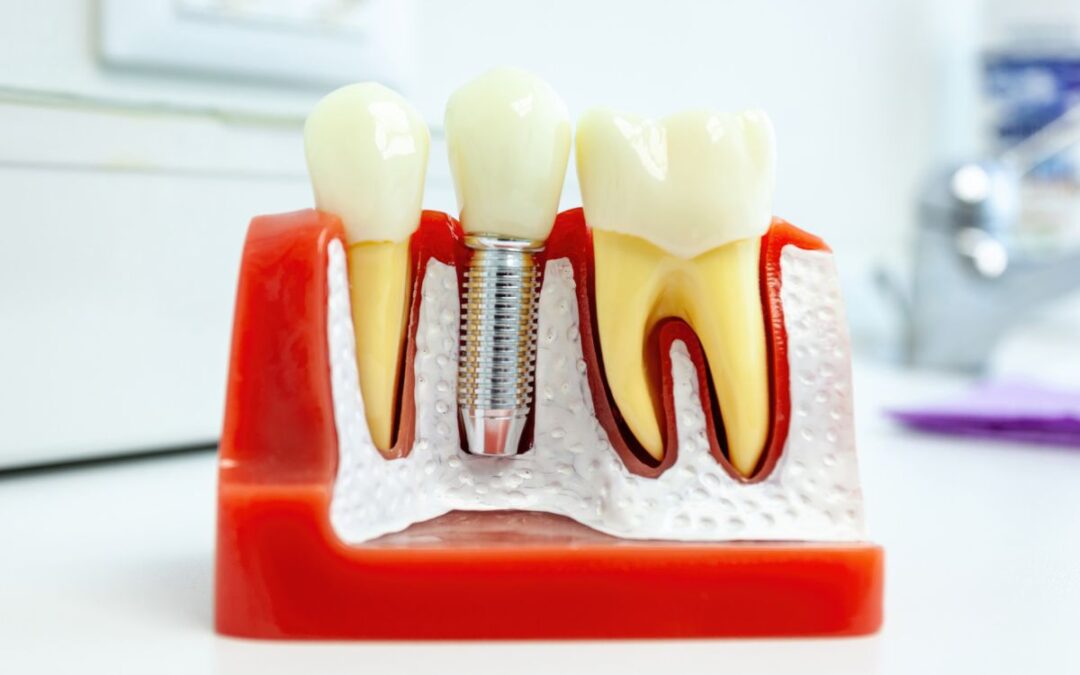
Dental implants are a fantastic solution for replacing missing teeth, offering stability, aesthetics, and long-term function. However, like natural teeth, implants aren’t immune to disease. One of the most significant complications is peri-implantitis, an inflammatory condition affecting the soft tissues and bone surrounding a dental implant, ultimately leading to bone loss and, if left untreated, implant failure.
A common and critical question many implant patients ask is: “How fast does peri-implantitis progress?” The answer, unfortunately, isn’t a simple fixed timeline. The speed of progression can vary significantly, ranging from subtle changes over months to rapid, aggressive destruction within a short period. Understanding the factors influencing this speed is key to early detection and successful management.
The Stages of Progression: From Mucositis to Crisis
Peri-implantitis doesn’t typically appear overnight. It usually follows a progression that mirrors gum disease around natural teeth:
- Peri-Implant Mucositis (Early Stage): This is the initial inflammatory stage, affecting only the soft tissues (gums) around the implant. Symptoms include redness, swelling, and bleeding when probed (gently touched by a dental instrument). Crucially, at this stage, there is no bone loss around the implant yet. Peri-implant mucositis is generally reversible with good oral hygiene and professional cleaning. This stage can persist for months or even years if not addressed.
- Early Peri-Implantitis: If mucositis is left untreated, the inflammation spreads deeper, beginning to affect the underlying bone supporting the implant. You’ll start to see radiographic evidence of bone loss in addition to the soft tissue inflammation. At this point, the condition is no longer reversible with simple cleaning alone, but can often be managed with more intensive non-surgical or surgical interventions.
- Advanced Peri-Implantitis: This stage is characterized by significant and progressive bone loss, often accompanied by pus formation, increasing pocket depths around the implant, and potential implant mobility. At this point, saving the implant becomes much more challenging, and the risk of implant loss is high.
What Influences the Speed of Progression?
While the progression from mucositis to advanced peri-implantitis can occur over several months to years, some factors can accelerate this process, making the disease progress quite rapidly.
- Oral Hygiene: This is perhaps the biggest factor. Poor plaque control around the implant allows harmful bacteria to accumulate and form a destructive biofilm. The more plaque, the faster the inflammation and bone destruction can occur.
- History of Periodontitis: Patients who have a history of gum disease (periodontitis) around their natural teeth are at a significantly higher risk of developing peri-implantitis, and the disease may progress more aggressively in these individuals. They are often “periodontitis-prone” individuals.
- Smoking: Smoking severely impairs the body’s ability to heal and fight infection. Smokers are at a much higher risk of developing peri-implantitis, and the disease tends to progress faster and be more challenging to treat.
- Diabetes: Uncontrolled or poorly controlled diabetes can weaken the immune system and impair healing, making individuals more susceptible to infections like peri-implantitis and potentially accelerating its progression.
- Genetics: Some individuals may have a genetic predisposition to inflammatory conditions, which could influence how quickly peri-implantitis develops and progresses.
- Implant Position and Prosthesis Design: If an implant is not ideally placed, or if the crown/bridge on top of it makes it difficult to clean properly, it can create “plaque traps” that accelerate disease progression.
- Excessive Force/Occlusal Overload: While less directly causative than bacteria, excessive chewing forces on an implant (e.g., from grinding or clenching, or an improper bite) can put undue stress on the bone, potentially exacerbating bone loss if inflammation is already present.
- Lack of Regular Maintenance: Without consistent professional check-ups and cleanings, early signs of peri-implantitis can go unnoticed, allowing the condition to progress unchecked.
The Critical Importance of Early Detection
Because peri-implantitis can progress rapidly and often without pain in its early stages, early detection is absolutely crucial. Patients may not feel pain until the condition is quite advanced, possibly when pus is present or the implant becomes mobile.
Here’s why proactive care is your best defense:
- Subtle Onset: The initial signs – mild redness or bleeding when brushing around the implant – can be easily missed or dismissed.
- Non-Linear Progression: Studies suggest that peri-implantitis often follows a non-linear, accelerating pattern, meaning that once bone loss begins, it can worsen quickly. Some research indicates that the onset of bone loss often occurs within the first three years of implant function.
- Treatment Complexity: The later peri-implantitis is diagnosed, the more complex and less predictable the treatment becomes. Early-stage peri-implantitis can often be managed non-surgically; advanced cases usually require surgery and sometimes even implant removal.
Your Role in Prevention and Early Action
Your dental implant journey doesn’t end after placement. It’s a lifelong commitment to excellent oral hygiene and consistent professional care.
- Diligent Home Care: Brush twice daily and floss or use interdental brushes specifically designed for implants. Ask your dentist or hygienist for personalized cleaning instructions for your implant.
- Regular Dental Check-ups: Adhere to your dentist’s recommended recall schedule, usually every 3-6 months. These visits allow your dental team to monitor your implant, assess gum health, and take X-rays to check bone levels, catching any issues early.
- Address Risk Factors: If you smoke, have diabetes, or have a history of gum disease, work with your healthcare providers to manage these conditions. Inform your dentist about your full medical history.
While peri-implantitis can progress quickly, especially with risk factors, consistent vigilance and a proactive approach give you the best chance to keep your dental implants healthy and functional for years to come. If you notice any changes around your implant, don’t wait – contact your dentist immediately.