
A dazzling smile can light up a room, but for those of us with sensitive teeth, the quest for whiter enamel often feels like navigating a minefield of potential discomfort. The thought of harsh chemicals and abrasive treatments can send shivers down our spines (literally!). But fear not, fellow sensitive smile enthusiasts! Achieving a brighter, whiter smile is absolutely possible without enduring painful zings and lingering aches. It’s all about understanding the nuances of sensitive teeth and opting for gentler, yet effective, approaches.
How to Whiten Sensitive Teeth Without Pain?
To whiten sensitive teeth without pain, prioritize using sensitivity-focused toothpastes and adopting gentle brushing techniques. Explore at-home kits designed for sensitive teeth or consult your dentist for professional, low-irritation whitening options. Consistency and listening to your teeth are key to achieving a brighter smile comfortably.
1. Choose Sensitivity-Focused Toothpastes:
This is your first line of defense. Specially formulated toothpastes for sensitive teeth contain ingredients like potassium nitrate or stannous fluoride. These compounds work to block the tubules in your teeth that expose the nerve endings, thus reducing sensitivity over time. Many of these toothpastes also boast whitening properties, often through gentle polishing agents rather than harsh chemicals. Consistency is key here – use these toothpastes exclusively for noticeable results.
2. Embrace Gentle Brushing Techniques:
Aggressive brushing is a major culprit in enamel erosion and gum recession, both of which exacerbate sensitivity and can hinder whitening efforts. Opt for a soft-bristled toothbrush and use gentle, circular motions instead of vigorous scrubbing. Brush for the dentist-recommended two minutes, twice a day, but be kind to your gums and teeth.
3. Consider Natural Whitening Agents (with Caution):
While the internet abounds with DIY whitening remedies, proceed with caution, especially with sensitive teeth. Some natural agents, like baking soda and activated charcoal, can be abrasive and potentially damage your enamel, making sensitivity worse. If you choose to explore these options, do so sparingly and always listen to your teeth. If you experience any discomfort, discontinue use immediately.
4. Explore Professional In-Office Whitening for Sensitive Teeth:
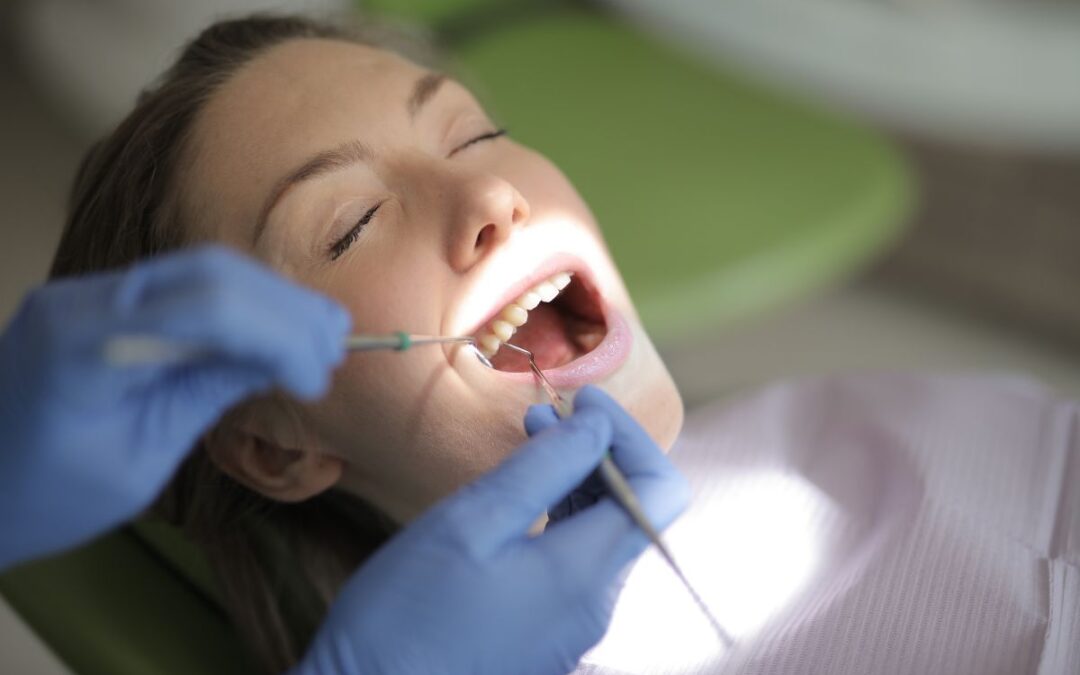
Dentists are well-versed in handling sensitive teeth and can offer professional whitening treatments specifically designed for comfort. These treatments often involve lower concentrations of whitening agents and may include desensitizing agents applied before or after the procedure. While it might be a bit of an investment, professional whitening offers controlled and often faster results with minimized discomfort. Discuss your sensitivity concerns openly with your dentist; they can tailor the treatment to your needs.
5. At-Home Whitening Kits Designed for Sensitivity:
The market offers at-home whitening kits that are formulated with lower peroxide concentrations and often include desensitizing gels. Look for products specifically labeled “for sensitive teeth.” Follow the instructions carefully and avoid leaving the whitening strips or gels on for longer than recommended. Start with shorter application times and gradually increase as tolerated.
6. Be Mindful of Your Diet:
Certain foods and drinks can contribute to tooth staining and erosion, indirectly worsening sensitivity and making your teeth appear less white. Limit your consumption of coffee, tea, red wine, dark sodas, and acidic fruits. When you do indulge, rinse your mouth with water afterward to help neutralize acids and wash away staining compounds.
7. Don’t Forget Regular Dental Checkups:
Your dentist is your best ally in maintaining a healthy and bright smile, especially if you have sensitive teeth. Regular checkups and cleanings can remove surface stains and plaque buildup, contributing to a naturally brighter appearance. Your dentist can also assess the cause of your sensitivity and recommend the most suitable whitening strategies for you.
Patience is a Virtue: It’s important to remember that whitening sensitive teeth is often a gradual process. Don’t expect dramatic overnight results. Consistency with gentle whitening methods and good oral hygiene habits will yield the best outcomes over time.
Listen to Your Body: Above all, pay attention to your teeth. Stop immediately and consult your dentist if you experience any pain or increased sensitivity during a whitening attempt. Pushing through discomfort can lead to further irritation and damage.
Achieving a whiter smile with sensitive teeth is a journey that prioritizes gentleness and patience. By choosing the right products, adopting mindful oral hygiene practices, and seeking professional guidance, you can confidently brighten your smile without compromising your comfort. So go ahead, embrace those gentle strategies and let your radiant, pain-free smile shine through!