
In the Texas Panhandle, we have our favorite snacks. A bag of sunflower seeds at a Sod Poodles game. A Styrofoam cup of crunchy ice on a 100-degree day. Beef jerky on a drive out to the ranch. Corn nuts in the truck console.
They’re part of life out here. But they’re also some of the most common culprits behind cracked teeth that land patients in our chairs.
How Everyday Habits Crack Teeth
Teeth are strong, but they’re not indestructible. Over time, repeated stress creates tiny cracks that can grow until a tooth finally chips or breaks.
Cracking seeds with your teeth. Splitting hundreds of shells puts concentrated pressure on the same few teeth over and over.
Chewing ice. Ice is hard, cold, and brittle. Biting into it creates rapid temperature changes and stress that can fracture enamel.
Tough, chewy foods. Jerky and other tough snacks put heavy strain on back teeth, especially teeth that already have large fillings.
Clenching and grinding. Many people grind their teeth at night or clench during stressful days without realizing it.
Old, large fillings. A tooth that’s mostly filling has less natural structure left to support it, making it more likely to crack.
Signs You May Have a Cracked Tooth
- Sharp pain when you bite, especially when you release
- Sensitivity to hot, cold, or sweets that comes and goes
- Pain that’s hard to pin to one specific tooth
- Swelling of the gum around a tooth
- A visible chip, line, or rough edge
Cracks can be hard to see, even on X-rays. If something feels off, a careful exam is the best way to find out what’s going on.
How a Dental Crown Saves a Cracked Tooth
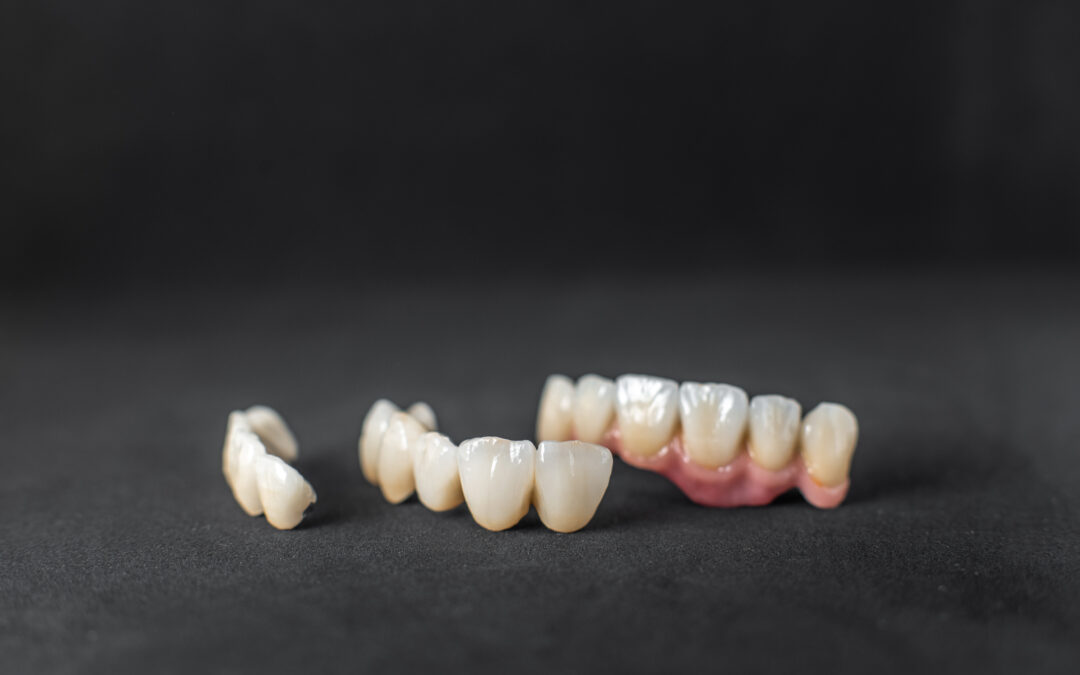
A dental crown is a custom cap that covers the entire visible part of a tooth. It works like a protective helmet, holding the tooth together, spreading out biting forces, and keeping cracks from spreading deeper.
Crowns are also used to:
- Restore teeth with large, failing fillings
- Protect teeth after a root canal
- Rebuild teeth worn down from grinding
- Top a dental implant
- Improve the shape or color of a tooth
Why Waiting Can Cost You the Tooth
A crack caught early can often be fixed with a crown. A crack that keeps spreading can reach the nerve and require a root canal, or split the tooth so badly that it has to be removed. If you’re feeling that sharp “bite and zing” pain, don’t wait. With walk-in dentistry available at all of our offices, you can get it checked without waiting weeks for an appointment.
What Getting a Crown Looks Like
- Exam and X-rays. We find the problem and explain your options, including whether a simpler fix like bonding or a filling might work.
- Preparation. The tooth is numbed and gently shaped to make room for the crown.
- Digital impressions. Where available, iTero digital scanning lets you skip the goopy impression trays.
- Temporary crown. You’ll wear a temporary while your custom crown is made.
- Final placement. Your permanent crown is checked for fit, color, and bite, then cemented in place.
Protect Your Teeth (and Keep Your Snacks)
You don’t have to give up everything you love. A few smart swaps help a lot:
- Buy shelled sunflower seeds or crack shells with your fingers
- Let ice melt, or switch to crushed ice and sip instead of crunch
- Cut jerky into smaller pieces and chew on both sides
- Ask about a custom nightguard if you grind or clench
- Keep up with checkups so weak spots are caught early
Fix It Before It Breaks
If you have a tooth that hurts when you bite, call 806.358.7633 for our Amarillo offices or 806.421.0922 for Dental Group of Canyon, or simply walk in. We’re in-network with many major insurance plans and offer no-interest payment programs.
Frequently Asked Questions
1. How long does a dental crown last?
With good care, crowns commonly last 10 to 15 years or more. Avoiding ice chewing and wearing a nightguard if you grind help them last longer.
2. Does getting a crown hurt?
The tooth is fully numbed during preparation. Most patients feel pressure but not pain, with mild sensitivity for a few days afterward.
3. Can a cracked tooth heal by itself?
No. Unlike bones, teeth can’t repair cracks on their own. Treatment protects the tooth and stops the crack from spreading.
4. Will insurance cover my crown?
Many dental plans cover a portion of crowns when they’re needed to restore a damaged tooth. We’ll check your benefits before treatment.