
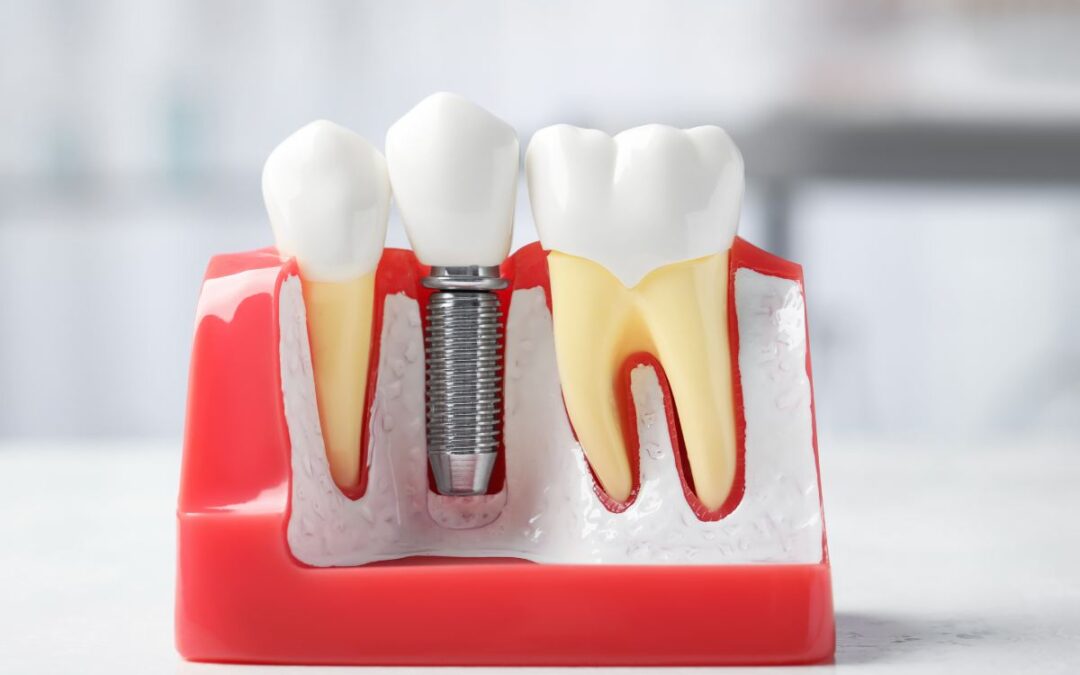
If you have been missing one or more teeth for a long time, you may assume that dental implants are no longer an option. Many patients believe they have waited too long to replace a missing tooth or that years without a tooth automatically disqualify them from implant treatment.
The good news is that even if you have been missing teeth for several years, dental implants may still be a viable solution. While long-term tooth loss can create certain challenges, modern dentistry offers a variety of techniques that can help many patients restore their smiles successfully.
Let’s take a closer look at how missing teeth affect your oral health and whether dental implants may still be right for you.
What Happens When a Tooth Has Been Missing for a Long Time?
When a tooth is lost, the effects extend beyond the visible gap in your smile. The tooth root plays an important role in stimulating the jawbone. Once the root is gone, the bone in that area no longer receives the stimulation it needs to maintain its strength and volume.
Over time, the jawbone can begin to shrink, a process known as bone resorption. The longer a tooth is missing, the more bone loss may occur.
In addition to changes in the jawbone, neighboring teeth may gradually shift into the empty space. This movement can affect your bite, create alignment issues, and increase the risk of additional dental problems.
Although these changes can make treatment more complex, they do not necessarily prevent you from receiving dental implants.
Can You Still Be a Candidate for Dental Implants?
In many cases, the answer is yes.
Dental implants are designed to replace both the visible portion of a tooth and its root. Even if you have been missing teeth for years, your dentist can evaluate your oral health and determine whether implant treatment is possible.
Several factors help determine candidacy, including:
- The amount of available jawbone
- The health of your gums
- Your overall health and medical history
- The number of teeth being replaced
- Whether additional procedures are needed before implant placement
A comprehensive examination and digital imaging will provide the information needed to create a personalized treatment plan.
Common Challenges After Long-Term Tooth Loss
Patients who have been missing teeth for many years may face certain challenges before receiving implants.
Bone Loss in the Jaw
Bone loss is one of the most common concerns associated with long-term tooth loss. Because the jawbone gradually shrinks after a tooth is lost, there may not be enough bone available to support an implant.
Fortunately, this does not always mean implants are off the table. Modern dental techniques can often help rebuild lost bone and create a stable foundation for implant placement.
Shifting Teeth
When a gap remains untreated, nearby teeth may drift into the empty space. Opposing teeth may also move because they no longer have a tooth to bite against.
These changes can affect spacing, alignment, and bite function. Depending on the situation, your dentist may recommend additional treatment to create the ideal conditions for implant placement.
Gum Health Concerns
Healthy gums are essential for successful dental implant treatment. Patients who have experienced gum disease may need treatment to improve gum health before moving forward with implants.
Addressing gum issues early can help improve the long-term success of your restoration.
Changes in Facial Appearance
Missing teeth can affect more than just your smile. Significant bone loss can alter facial contours and contribute to a sunken or aged appearance around the mouth and jaw.
Dental implants can help support the underlying structures of the face and restore a more natural appearance.
How Can Bone Loss Be Treated?
One of the most encouraging aspects of modern implant dentistry is that bone loss can often be addressed through advanced procedures.
Bone Grafting
Bone grafting is a common procedure used to rebuild areas of the jaw that have lost volume. During treatment, bone graft material is placed in the affected area to encourage the growth of new bone.
Once healing is complete, the jaw may be strong enough to support a dental implant.
Sinus Lift Procedures
For patients missing upper back teeth, a sinus lift may sometimes be recommended. This procedure creates additional bone height in the upper jaw, making implant placement possible in areas where bone loss has occurred.
Not every patient requires these treatments, but they can significantly expand implant options for individuals who have experienced long-term tooth loss.
How Your Dentist Can Help
The first step in determining whether you qualify for dental implants is a thorough evaluation. Your dentist will assess your oral health, examine the condition of your jawbone, and discuss your goals for treatment.
Digital imaging allows your dental team to view the structures beneath the surface and identify any factors that may affect implant placement.
If bone loss or other concerns are present, your dentist can recommend appropriate procedures to prepare your mouth for successful treatment. In many cases, patients who initially believe they are not candidates for implants discover that solutions are available.
Every smile is different, which is why a personalized treatment plan is so important.
It May Not Be Too Late to Restore Your Smile
Many people assume that years of missing teeth automatically rule out dental implants, but that is often not the case. While long-term tooth loss can lead to bone loss, shifting teeth, and other changes, modern dentistry offers effective solutions that make implant treatment possible for many patients.
The only way to know for sure whether you are a candidate is to schedule an evaluation with a qualified dental professional. With the right treatment plan, you may be able to restore your smile, improve your oral health, and regain confidence in your appearance and function.
If you have been living with missing teeth for years, now may be the perfect time to explore your options and learn whether dental implants can help you achieve a healthier, more complete smile.
Meet the Dentists at Dental Group of Amarillo
The team at Dental Group of Amarillo is dedicated to helping patients restore healthy, functional smiles through advanced restorative dentistry solutions. Whether you are missing a single tooth or several teeth, our experienced dental professionals can evaluate your needs and determine whether dental implants are right for you. With multiple office locations in Amarillo, TX – Commerce Street, Tascosa Road, Hillside Road, and Canyon, TX we are proudly serving the entire Texas Panhandle community.
Contact our office today to schedule an appointment and learn more about maintaining optimal oral health.