
If you’re considering dental implants, it’s completely natural to wonder: “How long will it hurt?”
The short answer is this: most patients experience mild to moderate discomfort for about 3-7 days, with the first 48–72 hours being the most noticeable. After that, the pain decreases significantly, and healing continues with little to no discomfort.
However, there’s more to the story than just a timeline. Understanding what causes the discomfort, how your body heals, and what to expect at each stage can help you feel more confident about moving forward with treatment.
Many people delay treatment because of fear. Patients searching for a dentist near me often assume that procedures like implant dentistry are painful or difficult to recover from. In reality, modern dental techniques have made the process far more comfortable and predictable than ever before.
At Dental Group of Amarillo, the focus is on helping patients feel informed, prepared, and supported throughout every step of their dental implant journey.
What Are Dental Implants and Why Do Patients Need Them?
Before discussing pain, it’s important to understand what dental implants are and why they are recommended.
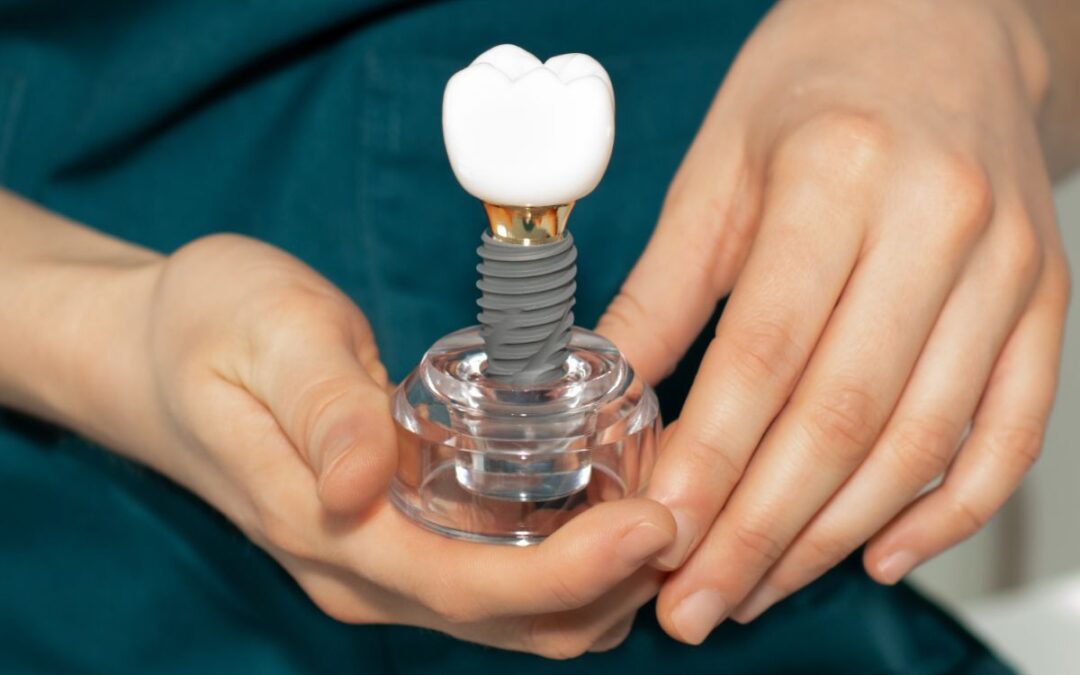
A dental implant is a small titanium post placed into the jawbone to replace the root of a missing tooth. It supports a crown, bridge, or denture, creating a stable and long-lasting solution.
Why Choose Implant Teeth?
Patients often choose implant teeth because they:
- Function like natural teeth
- Prevent bone loss in the jaw
- Improve chewing and speech
- Provide long-term durability
- Enhance overall oral health
Unlike temporary options, implants are designed to integrate with your body, making them one of the most reliable solutions in modern dentistry.
Does Getting a Dental Implant Hurt During the Procedure?
One of the biggest misconceptions is that the procedure itself is painful.
The Reality: You Won’t Feel Pain During the Procedure
A skilled dentist ensures your comfort by using:
- Local anesthesia to numb the area
- Sedation options if needed
During the procedure, most patients feel:
- Pressure
- Mild vibrations
But not actual pain.
This is why many patients report that the experience is easier than expected.
What Does Dental Implant Pain Feel Like After Surgery?
Once the anesthesia wears off, it’s normal to experience some discomfort.
Patients typically describe the sensation as:
- Mild soreness at the implant site
- Slight swelling in the gums
- A dull ache rather than sharp pain
This discomfort is part of the body’s natural healing response and is usually manageable with basic care.
Dental Implant Pain Timeline: What to Expect Day by Day
Understanding the recovery timeline can help set realistic expectations.
Day 1–2: Initial Healing Phase
- Mild to moderate discomfort
- Swelling and slight bruising
- Minor bleeding possible
This is the most noticeable phase, but pain is typically controlled with medication.
Day 3–4: Improvement Begins
- Swelling starts to decrease
- Pain becomes more manageable
- Eating soft foods becomes easier
Day 5–7: Significant Relief
- Minimal discomfort
- Return to normal daily activities
- Healing continues steadily
After One Week
Most patients report little to no pain at this stage.
Long-Term Healing (3–6 Months)
During this phase, the implant integrates with the jawbone. This process does not cause pain but is essential for long-term success.
The Science Behind Implant Healing (Why Pain Is Temporary)
Dental implants rely on a biological process called osseointegration.
This involves:
- The implant fuses with the jawbone
- New bone is forming around the implant
This process creates a strong, stable foundation for your implant tooth.
While the healing continues for months, the discomfort is limited to the early stages—making the procedure far less intimidating than it sounds.
Factors That Affect How Long a Dental Implant Hurts
Not every patient has the same experience. Several factors influence recovery.
1. Number of Implants
- Single implant: Faster healing
- Multiple implants: Slightly longer recovery
2. Bone Grafting
If additional bone support is needed, healing time may increase.
3. Overall Health
Conditions like diabetes or weakened immunity can slow healing.
4. Lifestyle Habits
Smoking and poor oral hygiene can increase discomfort and delay recovery.
5. Experience of the Dentist
An experienced dentist in my area can:
- Minimize surgical trauma
- Ensure precise placement
- Reduce post-procedure discomfort
How Dentists Minimize Pain in Implantation Dentistry
Modern implantation dentistry focuses heavily on patient comfort.
Advanced Technology
Digital imaging and guided placement improve accuracy and reduce complications.
Minimally Invasive Techniques
Smaller incisions result in:
- Less swelling
- Faster recovery
- Reduced discomfort
Personalized Treatment Plans
Each patient receives a customized approach based on their specific needs.
At Dental Group of Amarillo, patient-focused care ensures a smoother, more comfortable experience.
Tips to Reduce Pain After Dental Implant Surgery
Proper aftercare plays a major role in recovery.
1. Follow Medication Instructions
Pain relievers help manage discomfort during the first few days.
2. Use Ice Packs
Applying ice for 15–20 minutes at a time helps reduce swelling.
3. Stick to Soft Foods
Choose foods like:
- Yogurt
- Soup
- Mashed potatoes
Avoid hard or crunchy foods.
4. Maintain Good Oral Hygiene
Keeping the area clean prevents infection and promotes healing.
5. Avoid Smoking and Alcohol
These can interfere with healing and increase complications.
If you’re unsure about aftercare, consulting a dentist near me ensures proper guidance.
When Is Dental Implant Pain Not Normal?
While mild discomfort is expected, certain symptoms require attention.
Warning Signs Include:
- Severe or worsening pain after several days
- Persistent swelling
- Fever
- Unusual discharge
What to Do
Contact your dentist immediately if you notice these signs.
Early intervention prevents more serious issues.
Common Patient Concerns (And Honest Answers)
“Is implant pain worse than a tooth extraction?”
In most cases, it’s similar or even less.
“How soon can I return to work?”
Many patients resume normal activities within 1–2 days.
“Is the discomfort worth it?”
Yes—because implants provide long-term stability and function.
Why Choosing the Right Dentist Matters
The success of your treatment depends heavily on the provider you choose.
A trusted dentist near me ensures:
- Proper diagnosis and planning
- Safe and precise procedure
- Ongoing support during recovery
Patients who choose experienced dentists often experience:
- Less pain
- Faster healing
- Better long-term outcomes
When Should You Visit a Dentist for Dental Implants?
You should consult a dentist in my area if you:
- Have missing or damaged teeth
- Want a long-term replacement solution
- Experience difficulty chewing
- Are exploring alternatives to dentures
Early consultation helps determine whether dental implants are right for you.
Dental Implant Pain Is Temporary—The Results Are Long-Term
It’s completely normal to feel concerned about pain, but the reality is reassuring:
Dental implant discomfort is short-lived, manageable, and far less intense than most patients expect.
With proper care and guidance from experienced dentists, you can expect:
- A few days of mild discomfort
- Steady improvement within a week
- Long-lasting results that improve your quality of life
At Dental Group of Amarillo, patient comfort and long-term success are always the priority. Every step of the process is designed to ensure you feel confident, informed, and supported.
If you’re considering dental implants or want to learn more about your options, schedule a consultation with Dental Group of Amarillo today. A trusted dentist near me can guide you through the process and help you restore your smile with comfort and confidence.
FAQs
Q. How long does dental implant pain last?
Most discomfort lasts 3–7 days, with improvement each day.
Q. Are dental implants safe?
Yes, they are a well-established and reliable treatment.
Q. Do implant teeth feel natural?
Yes, once healed, they function like natural teeth.
Q. What foods should I avoid after surgery?
Avoid hard, crunchy, or sticky foods during early healing.