
If your dentist has ever told you that you need a “deep cleaning,” your first reaction might have been confusion—or even skepticism.
“Isn’t that just a regular cleaning?”
“Why is it more expensive?”
“Do I really need it?”
These are completely valid questions. As dentists, we hear them all the time. Many patients assume a deep cleaning is simply a more intensive version of a routine cleaning—but in reality, the two serve very different purposes.
A regular cleaning is preventive, designed to maintain healthy teeth and gums. A deep cleaning, on the other hand, is a treatment for active gum disease. It’s not optional—it’s medically necessary when certain conditions are present.
If you’ve ever searched for a dentist near me to understand this recommendation better, this guide will walk you through everything you need to know—clearly, honestly, and without jargon.
What Is a Regular Dental Cleaning?
Purpose of a Routine Cleaning
A regular dental cleaning—also called a prophylaxis—is designed to prevent dental problems before they start.
Even with good brushing and flossing habits, plaque can build up in areas that are hard to reach. Over time, this plaque hardens into tartar, which cannot be removed at home.
That’s where your dental visit comes in.
Regular cleanings help:
- Remove plaque and tartar above the gumline
- Prevent cavities and gum disease
- Maintain overall oral health
This is why dentists recommend routine visits every six months.
What Happens During a Regular Cleaning?
A standard cleaning typically includes:
- Scaling (above the gums): Removing plaque and tartar from tooth surfaces
- Polishing: Smoothing teeth to reduce future buildup
- Flossing: Cleaning between teeth
- Fluoride (optional): Strengthening enamel
The process is usually quick, comfortable, and preventive in nature.
Who Needs Regular Cleanings?
Regular cleanings are ideal for patients who:
- Have healthy gums
- Show no signs of gum disease
- Maintain consistent oral hygiene
For these individuals, routine visits to a dentist in my area are enough to keep their smile healthy.
What Is a “Deep Cleaning”? (Scaling and Root Planing)
Why It’s Called a Deep Cleaning
A deep cleaning goes beneath the gumline, targeting areas that regular cleanings cannot reach.
It’s not just cleaning—it’s treating an infection.
The Medical Term Explained
The clinical name for a deep cleaning is scaling and root planing.
- Scaling: Removes plaque and tartar from below the gums
- Root planing: Smooths the tooth roots to help the gums reattach
What Happens During a Deep Cleaning?
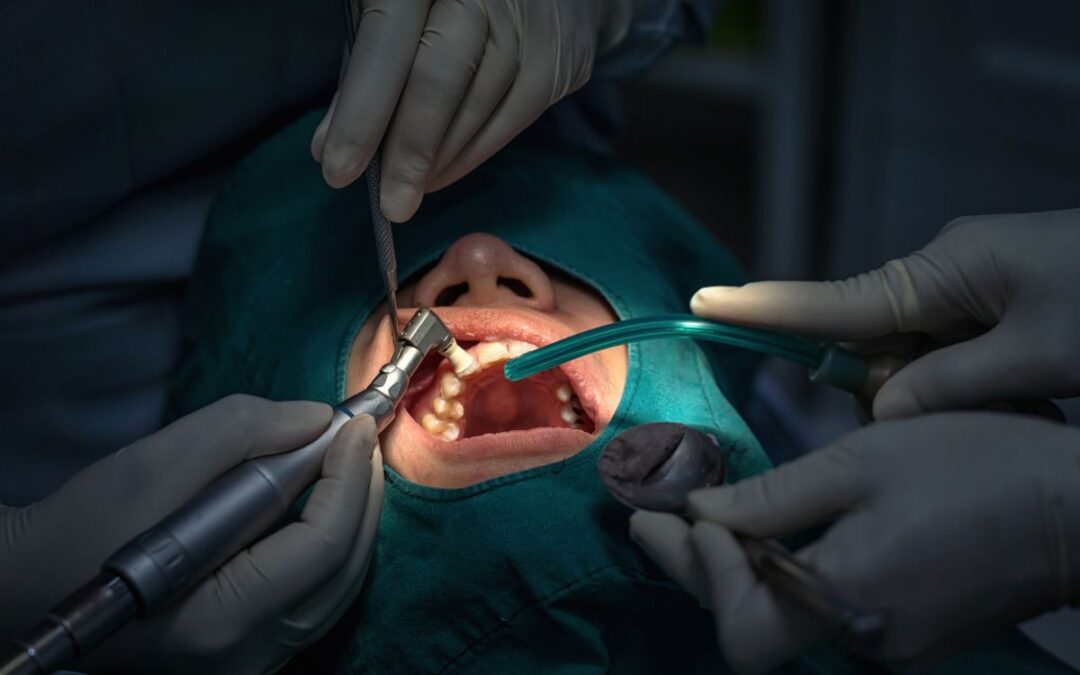
Unlike a regular cleaning, this procedure focuses on eliminating bacteria from deep pockets around the teeth.
Steps may include:
- Local anesthesia for comfort
- Removal of buildup below the gumline
- Smoothing root surfaces
- Reducing bacterial presence
This is a targeted treatment prescribed by a dentist when gum disease is present.
The Key Difference: Prevention vs Treatment
This is the most important takeaway.
- Regular cleaning = Prevention
- Deep cleaning = Treatment
A regular cleaning helps you stay healthy.
A deep cleaning helps you get healthy again.
They are not interchangeable, and one cannot replace the other.
Why Would a Dentist Recommend a Deep Cleaning?
Signs of Gum Disease (Periodontitis)
A deep cleaning is typically recommended when there are signs of gum disease, such as:
- Bleeding gums
- Swelling or redness
- Persistent bad breath
- Gum recession
These symptoms indicate that bacteria have moved below the gumline.
Measuring Gum Pockets
Dentists use a tool to measure the depth of the space between your teeth and gums.
- Healthy pockets: 1–3 mm
- Deeper pockets: 4 mm or more (possible gum disease)
When pockets become too deep, regular cleaning tools can’t reach them effectively.
Bacteria Below the Gumline
Once bacteria settle beneath the gums, brushing and flossing alone are no longer enough. This is where a deep cleaning becomes necessary.
Addressing a Common Concern: “Is This Just an Upsell?”
Let’s address this directly.
Many patients worry that a deep cleaning is being recommended unnecessarily. This concern is understandable—but in reality, dentists base this recommendation on clinical evidence, not preference.
Here’s what guides the decision:
- Periodontal pocket measurements
- X-rays showing bone levels
- Visible signs of inflammation or infection
A reputable dentist near me will always explain these findings clearly and show you exactly why treatment is needed.
Deep cleaning is not cosmetic—it’s medically necessary care.
What Happens If You Skip a Deep Cleaning?
Delaying or avoiding a deep cleaning can lead to serious consequences:
- Worsening gum disease
- Bone loss around teeth
- Loose teeth
- Tooth loss
Gum disease doesn’t stay the same—it progresses over time.
What starts as mild inflammation can turn into advanced periodontal disease, requiring more complex (and costly) treatments later.
Does a Deep Cleaning Hurt?
Comfort and Anesthesia
One of the biggest concerns patients have is pain.
The good news is that deep cleanings are typically performed with local anesthesia, making the procedure comfortable.
What to Expect After
After the procedure, you may experience:
- Mild soreness
- Temporary sensitivity
- Slight gum tenderness
These effects are usually short-lived and manageable.
Benefits of a Deep Cleaning
A deep cleaning does more than just clean your teeth—it helps restore your oral health.
Benefits include:
- Stopping the progression of gum disease
- Reducing inflammation
- Helping gums reattach to teeth
- Preventing tooth loss
In many cases, it can help you avoid surgical treatments down the line.
How Often Do You Need Each Type of Cleaning?
Regular Cleaning Frequency
Most patients benefit from a routine cleaning every six months.
Deep Cleaning Frequency
Deep cleanings are not routine. They are performed only when necessary.
Afterward, your dentist may recommend more frequent maintenance visits to keep gum disease under control.
How to Prevent the Need for a Deep Cleaning
Daily Oral Hygiene Habits
- Brush twice a day
- Floss daily
- Use antibacterial mouthwash if recommended
Regular Dental Visits
Routine check-ups allow dentists to catch early signs of gum disease before they worsen.
Lifestyle Factors
- Avoid smoking
- Maintain a balanced diet
- Manage conditions like diabetes
Prevention is always easier—and more affordable—than treatment.
When Should You Search for a “Dentist Near Me”?
You should consider visiting a dentist in my area if you notice:
- Bleeding while brushing
- Persistent bad breath
- Gum swelling or tenderness
- Teeth feeling loose
These are early warning signs that shouldn’t be ignored.
Expert Care You Can Trust at Dental Group of Canyon
A deep cleaning is not just a more intensive version of a regular cleaning—it’s a completely different type of treatment designed to address active gum disease and protect your long-term oral health.
While regular cleanings help maintain a healthy smile, deep cleanings are essential when an infection is present. Ignoring the need for one can lead to more serious complications, including bone loss and tooth loss.
At Dental Group of Canyon, the focus is always on honest, patient-centered care. Every recommendation is based on clinical findings and your individual needs—not unnecessary procedures. The goal is to help you understand your oral health and take the right steps at the right time.
If you’ve been advised to get a deep cleaning or are experiencing symptoms like bleeding gums or bad breath, the team at Dental Group of Canyon is here to guide you with clarity, comfort, and expert care—so you can protect your smile for years to come. Call 806.421.0922 to book a consultation.
FAQs
Q. Is deep cleaning really necessary?
A: Yes, when gum disease is present, it’s essential to stop the infection and prevent further damage.
Q. How long does a deep cleaning take?
A: It may take one or two visits, depending on the severity.
Q. Can gum disease be reversed without deep cleaning?
A: Early-stage gingivitis may be reversible, but advanced cases require treatment.
Q. Is deep cleaning covered by insurance?
A: Many plans cover it partially, especially when medically necessary.