
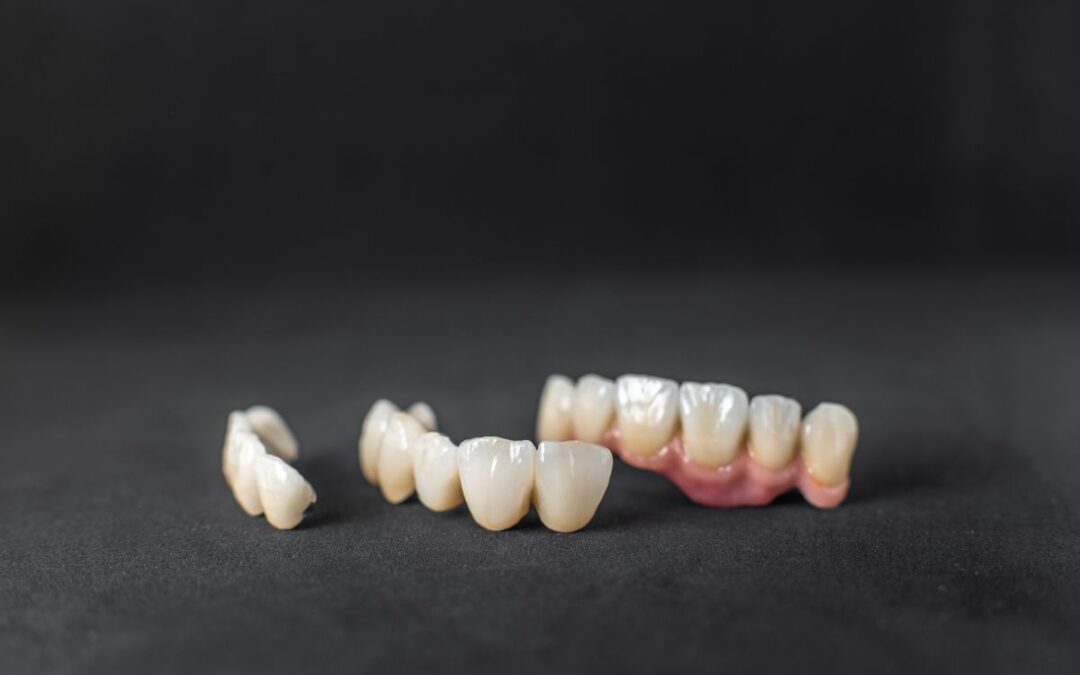
Can you whiten veneers? The short answer is no. Unlike natural teeth, veneers are made from materials such as porcelain or composite that do not respond to bleaching agents. However, that doesn’t mean your smile is destined to lose its brightness. Many people with teeth veneers wonder what to do when discoloration occurs, and whether professional options exist to restore their shine.
In this article, we’ll explore why you can’t whiten veneers, the common causes of veneer discoloration, safe solutions to refresh your smile, and tips for long-lasting care. We’ll also clarify how veneer in dentistry differs from natural enamel and why whitening products are ineffective on it.
At Dental Group of Amarillo, we believe patients should feel confident in their smiles. This guide provides expert insights into veneer dental care, ensuring you know how to protect your investment while maintaining a bright, natural look.
Why Veneers Can’t Be Whitened
While teeth respond to peroxide-based whitening gels, veneers do not. Materials used in the veneering of teeth, such as porcelain or composite resin, are non-porous and resistant to bleaching agents. This means that teeth whitening for veneers is not effective, as whitening gels cannot penetrate or alter their color.
Another factor is the dental cement used to bond each veneer tooth. This adhesive may discolor over time, creating the appearance of darker or uneven veneers. Unfortunately, bleaching agents cannot change the shade of the cement either.
So, if you’re asking, “Can you whiten teeth veneers with over-the-counter kits?” the answer is no. Attempting to do so may even damage your natural teeth or irritate your gums without improving veneer brightness.
In summary, while veneers are stain-resistant, they cannot be lightened once they begin to change color. The best way to maintain their shine is through preventive care and professional solutions designed specifically for veneer dental patients.
Why Do Veneers Look Discolored?
Even though you can’t truly whiten veneers, they may still appear discolored over time. Common reasons include:
-
Surface stains from coffee, tea, red wine, or smoking.
-
Aging adhesive underneath the veneer tooth, which may darken.
-
Gum recession, exposing the edges of veneers or underlying enamel.
-
Natural wear and tear, especially with composite teeth veneers.
Porcelain veneers are more resistant to discoloration, but not completely immune. Composite veneers, on the other hand, are more porous and may pick up stains faster. Over years, both types may lose some of their initial brightness.
These changes can’t be fixed with teeth whitening for veneers, but they can be managed with regular dental care and professional maintenance. Understanding these causes helps patients set realistic expectations about the longevity of veneering of teeth treatments.
Safe Ways to Restore Veneer Brightness
While you can’t whiten veneers with bleaching gels, there are safe and effective alternatives to refresh their look:
-
Professional cleanings – Dentists can remove surface stains that make veneers look dull.
-
Polishing – A dentist may polish porcelain or composite veneers to restore shine.
-
Non-abrasive toothpaste – Special formulations help maintain brightness without scratching the veneer surface.
-
Replacement – If veneers are significantly discolored or worn, replacing them is the most effective solution.
Avoid over-the-counter whitening kits marketed for teeth whitening for veneers, as they will not change the veneer’s shade and may harm surrounding enamel. Attempting to whiten teeth veneers at home without professional guidance is not recommended.
Instead, trust dental professionals to assess whether cleaning, polishing, or replacement is best for your unique case. With the right approach, dental veneer patients can enjoy a bright and confident smile for years.
Tips to Prevent Veneer Discoloration
To keep your veneers looking their best:
-
Avoid staining foods and drinks such as coffee, wine, and berries.
-
Visit your dentist regularly for cleanings and check-ups.
-
Use a soft-bristle toothbrush and non-abrasive toothpaste.
-
Quit smoking or tobacco use for healthier, brighter veneers.
-
Rinse your mouth after consuming stain-causing foods.
By following these preventive steps, patients with teeth veneers or a veneer tooth can reduce discoloration and prolong the aesthetic results of their veneering of teeth treatment.
When to Consult a Dentist
If your veneers appear persistently discolored, chipped, or mismatched, it’s time to see your dentist. Professional evaluation can determine whether polishing, cleaning, or replacement is the right solution. Patients considering veneers in dentistry treatments should also consult their provider for advice tailored to their specific needs.
Remember, DIY attempts to whiten veneers rarely work and can harm your natural teeth. Instead, trust your dentist for safe and effective options to restore your smile’s brightness.
Conclusion
In conclusion, the answer to “Can you whiten veneers?” is no, but that doesn’t mean you’re out of options. While whitening products cannot change the shade of dental veneers, professional care can help restore and maintain brightness through cleanings, polishing, or replacement when necessary.
At Dental Group of Amarillo, we specialize in helping patients with teeth veneers keep their smiles radiant. If you’re noticing discoloration or want to learn more about caring for your veneer tooth, book a consultation today. Together, we’ll create a personalized plan to keep your smile bright and healthy.