
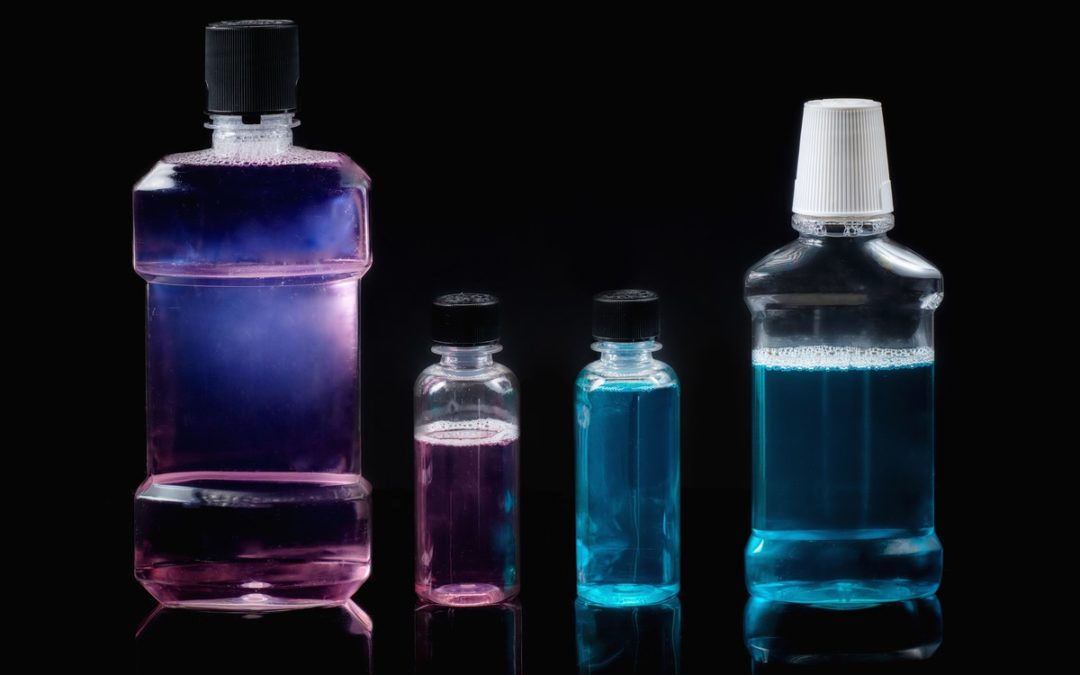
Mouthwash is often seen as an important part of a healthy oral hygiene routine. Many people use it daily to freshen their breath, reduce bacteria, and help keep their mouths feeling clean. However, if you have noticed a persistent dry or sticky feeling in your mouth, your mouthwash could be contributing to the problem.
Dry mouth, also known as xerostomia, occurs when your mouth does not produce enough saliva. While certain medications and medical conditions are common causes, some oral care products can also play a role. In particular, certain types of mouthwash may leave your mouth feeling drier rather than more refreshed.
Let’s take a closer look at how mouthwash can contribute to dry mouth and what you can do to protect your oral health.
How Can Mouthwash Cause Dry Mouth?
Not all mouthwashes are created equal. While some formulas are designed to support moisture and oral health, others contain ingredients that can reduce moisture levels in the mouth.
Saliva plays an essential role in keeping your mouth healthy. It helps wash away food particles, neutralize acids, and protect your teeth and gums from harmful bacteria. When saliva production is reduced, you may experience discomfort and an increased risk of dental problems.
If your mouth feels dry shortly after using mouthwash or if symptoms seem to worsen over time, it may be worth taking a closer look at the ingredients in the product you are using.
Common Reasons Mouthwash May Lead to Dry Mouth
Several factors can make a mouthwash more likely to contribute to dryness.
Alcohol-Based Mouthwash
One of the most common causes of mouthwash-related dry mouth is alcohol. Many traditional mouthwashes contain alcohol because it helps kill bacteria and creates the cooling sensation many people associate with cleanliness.
However, alcohol can also dry out the tissues inside your mouth. Frequent use of an alcohol-based mouthwash may reduce moisture levels and leave your mouth feeling dry, irritated, or uncomfortable.
For individuals who already struggle with dry mouth, alcohol-containing rinses can often make symptoms worse.
Strong Antibacterial Ingredients
Certain mouthwashes contain powerful antibacterial agents designed to reduce plaque and bacteria. While these products can be beneficial in specific situations, some formulas may alter the natural balance of your oral environment.
In some cases, overuse can contribute to irritation or dryness, particularly if the mouthwash is used more frequently than directed. Following your dentist’s recommendations can help ensure you receive the benefits without unwanted side effects.
Frequent Mouthwash Use
Using mouthwash several times a day may seem like a good way to keep your breath fresh, but excessive use can sometimes have the opposite effect.
Repeated exposure to ingredients that dry or irritate oral tissues may gradually reduce comfort and moisture levels. If you find yourself reaching for mouthwash constantly, it may be worthwhile to investigate the underlying cause of bad breath rather than simply masking it.
Existing Dry Mouth Conditions
Sometimes mouthwash is not the primary cause of dry mouth but can worsen an existing problem.
Many prescription medications, including those used to treat allergies, high blood pressure, depression, and anxiety, can reduce saliva production. Medical conditions such as diabetes, autoimmune disorders, and certain cancer treatments can also contribute to dry mouth.
When these factors are already affecting saliva flow, certain mouthwashes may increase discomfort and make symptoms more noticeable.
Sensitivity to Ingredients
Some individuals are more sensitive to specific ingredients found in oral care products. Flavoring agents, preservatives, and other additives can occasionally irritate oral tissues and contribute to feelings of dryness.
If you notice symptoms shortly after switching to a new mouthwash, the product itself may be worth discussing with your dentist.
What Are the Signs of Dry Mouth?
Dry mouth is more than just an occasional feeling of thirst. Reduced saliva production can lead to several symptoms that affect your daily comfort and oral health.
You should pay attention if you experience:
- A persistent dry or sticky feeling in the mouth
- Frequent thirst
- Difficulty chewing, swallowing, or speaking
- Bad breath that does not improve
- A burning sensation in the mouth
- Dry or cracked lips
- Increased tooth sensitivity
- More frequent cavities or gum irritation
These symptoms may indicate that your mouth is not producing enough saliva to properly protect your teeth and gums.
How Your Dentist Can Help
If you are experiencing ongoing dry mouth, your dentist can help identify the underlying cause. During your examination, they will review your symptoms, discuss your oral hygiene routine, and evaluate any medications or health conditions that may be contributing to the problem.
In some cases, simply switching to an alcohol-free mouthwash may provide relief. Your dentist may also recommend products specifically designed to support moisture and improve comfort.
If dry mouth is linked to a medical condition or medication, your dentist can work alongside your physician to help manage the issue and reduce its impact on your oral health.
Addressing dry mouth early is important because reduced saliva can increase the risk of tooth decay, gum disease, and oral infections.
If you have noticed persistent dryness, discomfort, or changes in your oral health, it is important to have the issue evaluated. Identifying the cause early can help protect your teeth, improve your comfort, and ensure your oral care routine is supporting your smile rather than working against it.
Meet the Dentists at Dental Group of Amarillo
The team at Dental Group of Amarillo is committed to helping patients maintain healthy, comfortable smiles through comprehensive preventive and restorative dental care. Whether you are experiencing dry mouth, tooth sensitivity, or other oral health concerns, our experienced dental professionals can provide personalized recommendations and treatment options to help protect your smile. With multiple office locations in Amarillo, TX – Commerce Street, Tascosa Road, Hillside Road, and Canyon, TX we are proudly serving the entire Texas Panhandle community.
Contact our office today to schedule an appointment and learn more about maintaining optimal oral health.